
History hangs heavily over 12 Great George Street, the Parliament Square HQ of the 155-year-old Royal Institution of Chartered Surveyors (RICS) – particularly recent history.
At the beginning of 2021, the institution was plunged into a full-on existential crisis by a corporate governance scandal sparked by the failure to disclose the findings of a damning 2019 BDO audit. It then hit rock bottom reputationally as unedifying details surrounding the subsequent dismissal of four non-executive directors emerged.
Following the Levitt Review, chief executive Sean Tompkins was one of several senior executives to exit stage left. A further review, this time led by Lord Bichard, of the institution’s purpose, governance, and strategy, recommended sweeping reforms including the replacement of the chief executive role with a director general position.
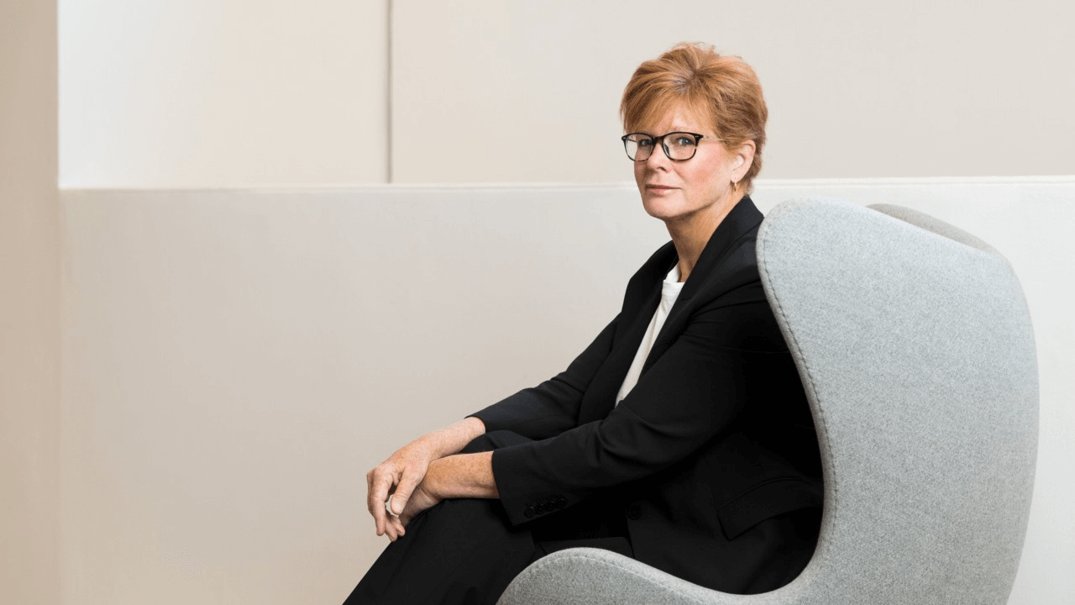
Last month, the institution announced it had repackaged the role as a permanent chief executive and re-initiated its hunt after failing to find a suitable candidate. That search will be led by new president, California-based Ann Gray, FRICS, FAIA, the chief executive of eponymous GRAY Real Estate Advisors, who took over from Clement Lau in January.
The institution’s 141st president and fourth female president, who sits on the Americas Board and the Governing Council of RICS, tells BE News how she intends to “champion”, in her words, RICS’ 140,000 global members and what the institution is doing to try and win over disaffected grassroot members while continuing to be an international organisation.
How is the RICS changing the way it operates as a membership body?
It is an evolution, not a revolution. It’s reorientating ourselves to be more member focused, making sure all the services we provide work for and allow them to have the best practice and life they can as professionals.
This is a slightly different flavour than we’ve had for the past several years [when] it was member focused in a different way. There was a feeling that by doing fewer larger events we might be able to serve a larger population, and that pulled a lot of the organisation’s energy away from the smaller groups in the regions.
A majority of our members are in the UK, and we are enhancing our member engagement activities, and naturally that will outflow to their benefit. It’s back to smaller groups, more bespoke, and frankly more fun.
Lord Bichard recommended the appointment of a director general, but last month it was announced the search had been abandoned and the institution was looking for a new permanent chief executive. Is this the institution admitting defeat?
Not every role advertised at any company will secure someone of the right calibre the first time around. While we had some talented candidates, we did not feel that anyone was 100% suitable for what we were looking for or needed as an organisation.
We are focussed on making the right appointment for our members and the institution and have an attractive proposition, made more attractive now we have Martin Samworth, RICS board chair, in place for a three year term.
Importantly, as we work through the Bichard Review for the best outcomes for the institution, its members, and our public interest remit, we’ve amended the job description and title to reflect what we wish to achieve going forward.
What about the international focus?
We kind of lost our focus on the domestic market… but I will say this, much to people’s surprise, RICS made a commitment to go global in 2004… so this is not a new concept.
It’s also become abundantly apparent to everyone in the industry that the players in the [sector] on a large scale have international portfolios: the property business, built and natural, is by nature a global effort these days; it just doesn’t stop at the border and neither does the climate change.
We have a very robust sustainability research group that does an annual sustainability report. We have carbon measurement standards, and we align with other organisations that are also in the sustainability space, so there are many reasons the organisation is global, not to mention a lot of our members work all over the world.
How does RICS intend to become more transparent?
Over the course of the next year, we’ll be publishing regular key highlights from every governing council meeting, where members can see what we’re working on and discussing.
We’re launching a president’s blog, so from time to time I’ll be talking about what I’m doing and what’s keeping me awake at night.
In terms of internal transparency, our reorganisation has created many great paths of communication, checks and balances. There’s a very collaborative culture emerging within the ranks of the RICS internally, which bodes well for the future.
We have taken stock and have created a reform document that we are working to. Going forward, we are starting an effectiveness evaluation of our boards and what kind of results they are producing; are they meeting the expectations of why they were set up?
We have learned some very important lessons that are built into our reforms, and, naturally, we’ll always be looking at ourselves on an ongoing basis to make sure we’re meeting expectations.
Should RICS be working more closely with government?
The potential is there for us. We gather so much data and have so much expertise within our body to become advisory on some of the big issues of the day like the goals for net zero, affordable housing, environmental impacts and retrofitting housing to help lower energy bills.
There are all kinds of things we can enhance in our relationship with the government, and it’s one of our goals to do so.
What is the institution’s stance on sustainability and DEI?
One of our major focuses is sustainability. A component of our reorganisation is creating [new] advisory committees on sustainability, and DEI (Diversity, Equity and Inclusion), that will be advisory to the top leadership here.
We will have an expert from that field recruited from the membership as chair, and on the committee will be a variety of members and non-members who have specific expertise and passion for that topic.
More detail [will come] in the next six months, but just as a rule, it is about looking at what we do for our own staff and what kind of advisory services we can provide as a collector of data about the industry. It’s setting some benchmarks, sharing best practices, and then tracking it over time.
We want to become a resource for diversity, and it’s not just gender – it’s everything. Latest data shows 26% of Gen Z consider themselves other than heterosexual.
At some point, that’s going to be a non-issue, but right now it is an issue, so we’re creating partnerships with other organisations that advocate for different kinds of diversity and having events. It’s a very robust part of our current practice.
What do you hope will be the legacy of the ‘Gray year’?
My preferred legacy is enhancing the cross collaboration of all the different aspects of our organisation: bringing out the best in each other by complementing each other’s work streams and making sure everyone feels included.
I want to [enrich] the reputation of the organisation as a promoter of the highest standards and highest levels of practice.
One of the things I will say about me, which may be different from some other presidents, is there is no part of the whole surveying profession that I’m not proud of. It’s fun and I’m proud to be a surveyor.
I think most surveyors believe that as well. They are proud of what they do. Let’s remember how much joy we derive from doing this work daily.


Building climate resilience into office conversions