
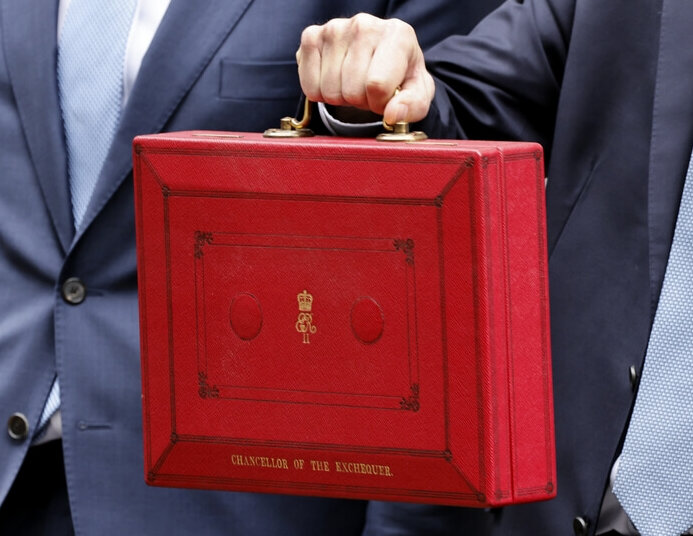
Senior figures in the built environment industry have delivered wildly differing verdicts on Labour’s first Budget since 2010.
Earlier today, chancellor Rachel Reeves outlined plans to hike taxes by £40bn, which she said would put “more pounds in people’s pockets”, improve living standards and drive economic growth through investment.
In addition to introducing an increase in Employers’ National Insurance contributions from 13.8% to 15%, Reeves announced an increase in capital gains tax with the lower rate raised from 10% to 18% and the higher rate rising from 20% to 24%. However, she said there would be no increase on the 24% capital gains rate imposed on second properties.
Many industry experts reacted with anger and disappointment as the chancellor confirmed that the 75% discount to business rates for retail, hospitality and leisure properties due to expire in April 2025 will be replaced by a discount of up to a maximum of £110,000 per business, with Colliers head of business rates John Webber describing the announcement as “desperately disappointing” and British Property Federation Melanie Leech saying it was “just robbing Peter to pay Paul”.
Some expressed concern over the impact of measures such as the rise in Employers’ National Insurance contributions on small businesses. Runway East founder and chief executive Natasha Guerra said she had “some fears on the impact for SMEs and entrepreneurs”.
However, others found positives as Reeves reiterated the government’s pledge to increase the supply of housing, including the provision of affordable homes, and the hiring of “hundreds” of new planning officers to accelerate housebuilding. RICS president Tina Paillet said affordable housing “should get a much-needed boost to supply” and Birchgrove chief executive Honor Barratt praised the government’s “commitment to increasing housebuilding and its investment in affordable housing”.
Reeves’s commitment to railway improvement projects in the North of England and between Oxford and Cambridge and pledge to invest £500m in life sciences were also welcomed by the industry.
Key takeaways:
National Insurance: Employers’ National Insurance contributions will rise from 13.8% to 15%, and the threshold will fall from £9,100 to £5,000. However, employment allowance – which allows companies to reduce their NI liability – will increase from £5,000 to £10,500
Capital Gains Tax: For higher rate taxpayers, this will rise from 20% to 24%. For lower rate taxpayers, it will rise from 10% to 18%. On residential property, the rates will remain at 24% and 18%.
Non-dom taxation: The non-dom tax regime will be abolished from April 2025
Stamp duty: The surcharge for second homes rises by 2% to 5%
Housing: Affordable homes budget boosted by £500m
Business rates: The 75% discount for retail, hospitality and leisure properties due to expire in April 2025 will be replaced by a discount of up to a maximum of £110,000 per business
Business taxes:
- Tax paid by private equity managers on share of profits from successful deals to rise from up to 28% to up to 32% from April
- Main rate of corporation tax, paid on taxable profits over £250,000, to stay at 25% until next election
Industry reaction
Melanie Leech
Chief Executive, British Property Federation
With no concessions on the overall business rates burden today’s announcements on this are just robbing Peter to pay Paul. However, the Chancellor has at least recognised the business rates system is broken and has signposted the direction towards a reformed system. In the meantime, recognition of the unsustainable burden on retail, leisure and hospitality sectors and measures to continue to support them are welcome, but alongside the employer tax increases announced don’t go far enough to provide our high streets with the protection they need today.”
Tina Paillet
President, RICS
This budget, to rebuild Britain, has some positive news for our sectors. Affordable housing should get a much-needed boost to supply. Fiscal rule changes should help secure some of the infrastructure we badly need, although this does need managing carefully using standards to deliver value for money. Changes to business rates could help revitalise our high streets. We hope government investment and changes in rules to attract new international investment will help boost confidence and encourage other players to seek opportunities. The government has also extended funds to remediation of building safety defects, and jobs in planning.
Rob Perrins
Chief executive, Berkeley Group
A properly staffed and resourced planning system is essential to meet the ambition to deliver 1.5 million homes, in a way that ensures they work for the communities they serve. We therefore welcome the action taken by the chancellor this week to commit the funding required to train an additional 300 graduate planners as part of a package of investment into the essential underpinnings of the planning system.
Harvey Soning
Chairman, James Andrew International
Chancellor Rachel Reeves, the UK’s first female chancellor, and the first in 14 years for a Labour government, which was so publicly previewed, has just delivered her first Budget and although, as expected, there have been substantial tax increases, our initial reaction is that the property sector will be buoyed by the outcome. Second home buyers and buy-to-let landlords will be hit with an additional SDLT surcharge, but CGT on gains from the sale of residential properties remains at 18%/24%. This could encourage property owners to continue to recycle the housing stock. There is Inheritance tax reform for agricultural property and business property relief from April 2026 by maintaining 100% relief for the first £1m of combined assets and 50% thereafter. Property companies will be relieved to hear that there is a pledge to keep corporation tax at the current 25% level for the duration of the current Parliament. The extension to business rates relief for some will be welcome but probably insufficient to offset the increased costs of employment brought about by NIC changes and employment rights. Suffice to say increased costs to employers must have a knock-on effect to business and property. While all businesses will be affected, those employing minimum wage staff will be most affected. The 6.7% rise in the minimum wage coupled with the increase in employers NIC will place a burden on these companies. These businesses are the cleaners and security companies servicing our buildings, together with coffee shops, bars, and restaurants. The changes to employee rights added to this will mean higher service charge costs for apartment and commercial buildings. However, as they say, “ the devil is in the detail” and so we will need to study the legislation to see the full impact of today’s announcement.
Clive Docwra
Managing director, McBains
The sector will see today’s Budget as a mixed bag. Greater spending on infrastructure like major rail projects has the potential for a positive knock-on effect on a raft of construction sectors, beyond that of infrastructure itself. Increasing the affordable homes grant to local authorities and allowing them greater protection to keep 100% of receipts generated by ‘right to buy’ sales will give councils a more reliable income stream to expand the number of homes being built which is good news for housebuilders. On the flip side, a number of our clients and industry colleagues say the increase in employers’ NIC contributions has the potential for a negative impact on wages and job creation at a time when skills shortages mean employers need to be paying competitive wages to attract entrants into the industry.
Walter Boettcher
Head of research and economics, Colliers
It’s hard to read how the chancellor’s announcements have been interpreted by markets. Volatility in the UK bond and equities market during the course of the Autumn Statement announcement has given way to a higher 10-year gilt rate than previously, suggesting that while many of the measures had already been priced in since mid-September, there’s still concerns by market participants on the budget’s impact on business and investment markets. The changes that have been announced will give many property investors pause for further thought at a time when the UK market was expecting greater certainty and a new momentum – perhaps the Bank of England can salvage this trajectory at next week’s meeting
Natasha Guerra
Founder and CEO, Runway East
The landscape for business over the last three years has been hugely difficult, [there] has been a chronic lack of investment and distrust towards the Conservative government. This budget is a difficult one. It was never going to be easy, but I do have some fears on the impact for SMEs and entrepreneurs which account for 99% of businesses in the UK. I would have liked to see progressive taxation to support and unlock the power of small businesses – who fuel economic growth.
Richard Steer
Chair, Gleeds
Our sector is one of the largest employers and hikes in national insurance and increases in labour costs are going to dampen the appetite for recruitment in an industry that already needs to employ just under 251,500 workers by 2028 to just stand still. Funding for bringing HS2 to London was sensible and I wait to see details on refurb plans for the schools, roads and health. But the budget did little to persuade me that they treat our challenges on training, retention, planning reform and meeting net zero targets with any more seriousness than the last government.
Will Matthews
Head of commercial research, Knight Frank
For commercial real estate, a few themes stand out. First, the government’s supply-side push majors on infrastructure investment. We need to see the detail, but we can expect a positive impact for commercial development. Second, the ‘Get Britain Working’ campaign, at the margin, could boost employment and increase demand for employment space, but we’ll be alive to any counter impact from higher minimum wages and higher employer National Insurance contributions. Finally, the changes to carried interest and the end of the non-dom regime will be felt but do not disadvantage the UK versus other G7 economies.
David Parker
Head of rating, Savills
The need to assist smaller businesses is undoubtedly acute and this measure goes some way to addressing that in part, but general business rates bills are unpopularly high, and have been for many years and so whilst the introduction of 40% tax relief for retail, hospitality and leisure properties up to a maximum of £110,000 per business is welcome, it is a reduction from the previous 75% relief, which will disappoint many. The annual multiplier in 1990 was 34.8p, meaning the annual bill was hypothetically 34.8% of a property’s rateable value. With it now approaching 60p (or 60%) of a rateable value for some properties, it’s disappointing that the funding of the relief to smaller businesses is at the direct expense of larger businesses.
Andy Hay
CEO, Hollis
The chancellor gave us a few things to be optimistic about in today’s Budget. Whilst much will be made of the burden put on businesses with increased costs to being an employer – and it’s important to acknowledge the potential impact these could have on overall economic growth – for the real estate industry there are clearly exciting opportunities for growth through the investment into infrastructure, the ‘green’ economy and new homes.
Alistair Watson
UK head of planning and environment, Taylor Wessing
The cold and bare reality is the planning system has held the country back – for decades. This UK Budget correctly regards the planning system as needing to be explicitly and proudly pro-development. The planning system is a digital brochure, to be used to attract investment into housing, life sciences, logistics, data centres and EV hubs, advanced manufacturing, and clean energy. A reformed planning system can act as a sales platform for overseas and UK investment in development and infrastructure.
Vivienne King
Chair of the Shopkeepers’ Campaign
Restricting retail, hospitality and leisure relief will leave shopkeepers facing higher business rates bills in April. We needed a comprehensive overhaul of business rates to address the failures in the system that continue to plague our high streets. We urge the government to continue engaging with the sector and to prioritise a comprehensive overhaul of the business rates system. High streets are the backbone of our communities, and their revival depends on creating a tax environment that encourages investment, growth, and entrepreneurship. There is still a long way to go to ensure that our high streets can thrive in a rapidly changing economy.
Josh Myerson
Head of rating advisory, Montagu Evans
Business rates has not escaped scrutiny, but ratepayers who may have hoped to hear of the government’s intentions to fundamentally reform the system or to meaningfully reduce the level of tax it seeks to raise will be left disappointed. Given the reduction in relief for those in retail, hospitality and leisure sectors next year, there is greater need for businesses in these sectors to ensure the accuracy of their current assessments and put themselves on a more secure footing.
Natasha Patel
UK head of market intelligence, Avison Young
Proposed tax hikes for high-net-worth individuals (HNWIs) are unlikely to trigger a short-term exodus from the UK property market. Many will weigh the impacts of uprooting their families against accepting higher taxes, similar to the post-GFC experience when fewer left than expected after the Cameron government’s tax changes for bankers and brokers. While there are concerns that the UK may appear less welcoming to HNWIs and entrepreneurs, potentially driving fast-growing companies to lower tax jurisdictions, it’s unlikely that the largest corporations or established SMEs will exit the country. However, increased employer national insurance contributions could slightly hinder headcount growth.
Tim Harding
Head of occupier rating, CBRE
We are disappointed that the 75% retail, hospitality and leisure relief has reduced to 40%, a change that will affect small retailers who will feel the increase in rates bills due to the removal of 35% of the current rates year relief. Of more importance perhaps is the transforming business rates discussion paper published alongside the budget, in which the government set out to achieve a fairer business rates system to protect the high street. This includes ratable value thresholds under £500k being introduced to permanently reduce the burden on retail, hospitality and leisure whilst a higher multiplier applies on ratable value above £500k.
Jason Tebb
President, OnTheMarket
It is a shame that the chancellor did not announce any specific measures to assist first-time buyers as they are so important to the overall health of the housing market. The decision not to increase capital gains tax for landlords is welcome, particularly as it was initially rumoured that this would rise substantially. However, the surprise increase in the stamp duty surcharge to 5% from tomorrow may cause some landlords to put decisions to extend their portfolios on hold, which could keep rents at high levels.
Nicola Gooch
Planning partner, Irwin Mitchell
The real terms increase in local government funding, and changes to the right-to-buy programme will come as a relief to local authorities; and more funding for sticky delivery issues – such as nutrient neutrality – are always welcome. That said, the real reforms for the planning system will be delivered through other means… in particular, the government’s response to the recent NPPF changes, the Planning & Infrastructure Bill and the multi-year spending review. For planning, at least, the real change is yet to come.
Jonathan Higgs
Chief executive, Raven Housing Trust
Today’s announcements from the government show a recognition of the urgent need for sustainable homes. We believe this needs to be paired with long-term funding and support to ensure all homes meet high efficiency standards. By leading by example and fostering a culture of sustainability, Raven is dedicated to building a legacy of energy awareness that benefits both our residents and the planet.
Honor Barratt
CEO, Birchgrove
We welcome the government’s commitment to increasing housebuilding and its investment in affordable housing. There has rightly been a lot of focus on the need for affordable homes and social housing. But this country has a similarly pressing issue with the lack of housing suitable for people in later life. We would like to see a requirement that a minimum percentage of new housebuilding activity – and we suggest 10% – is in the form of integrated retirement communities (IRCs), in a similar way there are targets for affordable housing. The government has a target to build 1.5 million new homes, so we would hope that 150,000 of these homes would be in IRCs.”
Max Bryan
Head of science and technology, Bidwells
Support for the delivery of the East West Rail is excellent news for the British economy. The network will combine the region’s strengths so we can reach the critical mass needed for Britain to become a truly global science and technology supercluster. The government has recognised the immense economic potential of the Oxford Cambridge Arc to drive growth for the country at large, and this is welcome.
Michelle Buxton
CEO of Toolbox Marketing and Revo board member
Sadly, the chancellor’s announcement has made things worse for retail and leisure businesses with many reliant on the 75% business rates relief. With this now reduced to 40% and with minimum wage and national insurance contributions increasing while the multiplier remains static, or is set to increase, cost increasing will be painful for those in the retail and leisure sector. Although we welcome the promise of a business rates discount for retail from 2026, it is kicking the can down the road and does little to encourage investment and innovation across the retail and leisure sector, in line with the government’s growth agenda.
Linda Thiel
Director, White Arkitekter
The Labour government has been vocal about delivering a significant increase in affordable housing, and it is encouraging to see a commitment to the government’s affordable homes programme. Whilst we support the £500m pledge for the AHP, the government needs to use multiple levers to deliver not just any housing but homes that are affordable and sustainably designed. Taking example from the Renovation Wave in Europe, we would encourage Labour to create a fund that ties housing and energy together. In the midst of a housing and environmental crisis, as architects, we urge for subsidies that support design in addition to engineering, to deliver social and climate-centric homes for communities across the UK.
Andrew Leaver
Director, tp bennett
During the elections, the Labour Party stated it would deliver the “biggest boost to affordable housing for a generation”. The pledge of £500m towards the government’s affordable programme is a welcomed start in the delivery of additional social housing, without which there would be a significant shortfall. But I urge the government to commit to bringing its investment up – £500m towards a £11.5bn programme is unlikely to meet the target of 180,000 affordable homes.
Robert Sloss
Chief executive, HUB
The Budget has come at a time of mounting pressure on the housing sector, with increasing costs, a vulnerable construction industry, and prolonged timescales due to planning and Building Safety Act Gateway II backlogs. At the same time, the social and economic case for good quality housing has never been stronger. Recommitting to housing targets was a good first step, and today’s Budget will go some way towards supporting that with additional investment in affordable housing and planning.
Mark Swetman
CEO, LS Estates
The government now has nearly five years to establish a stable and sustainable economic environment that supports long-term business planning and infrastructure investment. The Labour government was vocal during the elections about using the multiple levers at its disposal to create policies that truly support broader economic growth. At LS Estates, we are particularly focused on real estate investment, and we strongly encourage the government to collaborate with industry experts for targeted financial support and policies that address both structural and market dynamics.
Jon Di Stefano
Chief executive, Greencore Homes
This government has been clear that the delivery of housing, infrastructure and growth are top priorities. Today it is encouraging to see their commitment to this matched with £5bn for their housing plans, the first tranche of the major investment it will require. Cities and neighbourhoods across the UK need vital investment in infrastructure, enhanced facilities and amenities. It is a crucial backbone in supporting housebuilders like Greencore Homes to deliver the new communities that will comprise the government’s 1.5 million home target, as well as the decarbonisation central to our collective Net Zero responsibilities.
Mark Robinson
Chief executive officer, SCAPE Group
The government’s Autumn Budget rightly highlights the critical role of infrastructure such as transport and telecommunications and ports in meeting sustainability and growth targets. However, if the government wants to truly redress regional inequalities, drive economic growth and power the green transition, it first needs to address the inefficiencies which have characterised infrastructure delivery over recent years. The government is clear infrastructure must be delivered in partnership between the public and private sectors. This is not just true when it comes to the investment needed to fund projects, but at every stage of procurement and delivery. Procurement frameworks have a vital role to play in accelerating and generating greater value from projects, be they energy or telecommunications, transport, docks or ports.
Oliver Goodhall
Co-founding partner, We Made That
As an employer, and someone who cares about the health of our nation, I’m happy to pay more tax. Labour’s revenue-raising ‘Trojan horses’ have been so heavily trailed I don’t think there were any surprises left. What I do want to see is intelligent investment in infrastructure that aligns with the Industrial Strategy outlining the creative industries as a key sector for growth, and fairness locked into the growth mission. So, the recasting of Reeves’ fiscal rules is welcome. 2024 has been like moving through treacle with so much uncertainty for public sector clients. We’ve now got to both escape the cycle of short-term thinking and simultaneously start delivering.
Mat Lown
Chief knowledge and ESG officer, TFT
We welcome the chancellor’s Budget targets for essential improvement works across hospitals, schools, and homes across the country. However, we hoped to see a wider approach to improve the overall state of existing historic and inefficient buildings which also need improvement. The government needs to accelerate the pace of retrofit across the UK to avoid asset obsolescence and secure a zero-carbon future. We will continue to work with our industry bodies like BPF and UKGBC to help our industry give older buildings a greater lease of life and achieve more ambitious sustainability goals in the process. For now, it’s disappointing to see the chancellor miss this opportunity to drive sustainable growth and support the government’s long-term goals.
Mark Perry
Chief executive, VIVID
Monday’s statement by the secretary of state for housing, communities and local government and today’s budget, which confirm a £500m top-up for the existing Affordable Homes Programme amongst other items, will give greater certainty and support to the sector. If anything, these announcements indicate the government understands the pressures the sector’s facing and we should take some comfort from this. Of course, having to wait for the outcome of the Spring Spending Review linked to the next Homes England AHP is not ideal given the government’s ambitious housing target for this parliamentary term but in any event, it’s vital this future funding programme is significant and has flexibility.
Andrew Lloyd
Managing director, Search Acumen
Despite the backdrop of tax rises and sombre economic prudence in today’s budget, the government continues to pledge money for housing, particularly to create new social and affordable homes. A reinvigorated approach to one of the UK’s most significant challenges is to be welcomed, but in addition to tackling supply side issues through new funding, we also need to modernise the market, putting in place the digital infrastructure we need to deliver friction-free growth.
Olivia Harris
Chief executive, Dolphin Living
It is disappointing that the Budget and pre-announcements did not deliver more towards the promised, and desperately needed, construction of new homes. While we welcome the announcement at the weekend of an extra £500m for 5,000 homes and the consultation on a five-year rent settlement at CPI plus 1%, we believe a long-term commitment is essential. The previous government’s inconsistency in adhering to rent settlements has created uncertainty, making it crucial for the current government to establish a stable framework that will support housing associations in their mission to build and maintain homes for the long term. A commitment to consistent support in the form of grants and a clear rent settlement will empower us to meet the pressing needs of essential workers and ensure the sustainability of our communities.
John Hutton
Chair, Association of Infrastructure Investors in Public Private Partnerships
The chancellor’s commitment to public investment in new infrastructure is to be welcomed. However, it will be impossible to get the scale of investment needed to get Britain building again without private financing. The UK is one of the only countries in the developed world that doesn’t use public private partnerships to build new schools, hospitals and transport. We need a modern partnership between the private and public sectors that addresses the issues of the past if we’re avoid another lost decade of British infrastructure.
Allan Wright
MD, Civils & Lintels
When Labour failed to include construction within its Industrial Strategy earlier this month, I was not alone in expressing my surprise and frustration that the government’s early focus and commitment had seemingly lost momentum so quickly. The irrefutable fact that, in the intervening weeks, Labour has failed to respond meaningfully to the sector’s challenge alongside its further exclusion from today’s Budget speech, appears completely baffling. Clarity on the key issues should have come today. Instead, we’re left still asking when much-needed planning reform be delivered, and when the government will support young people on to the housing ladder.
Seb Verity
Head of research, Allsop
We need some honesty from the government about its long-term vision for PRS. The direct impact of swapping accidental or buy-to-let landlords for professional firms will likely be above-inflation-level rental growth due to reduced supply and the dominance of income-driven business models, with significant financial repercussions for tenants. The only way to minimise the impact of this structural change is a significant down-regulation of demand. But if we aren’t going to see a big drop in migration, fewer domestic students, or fewer low-income tenants relying on mainstream rental housing, and/or a rapid increase in housebuilding, then some form of incentive to easily move tenures from private rental into ownership would seem to be logical, nay essential.”
Peter Allinson
Chief executive, Davitt Jones Bould
I am concerned that this budget, which sets the tone for the years ahead, is a missed opportunity for the government to build the strong, dynamic relationships it needs with businesses if they have any chance of delivering improvements to the UK’s housing shortage, infrastructure challenges, underperforming high streets and the economy. SMEs, which are key to our economic growth, will face further financial pressure due to the joint increase in employer national insurance, the substantial reduction in the level at which employers start paying NI and the increase in the national minimum wage. The reform of business rates for leisure, hospitality and retail businesses in 2026/27 has been a long time coming, but the reduction of rates relief from 75% to 40% up to £110,000 from April 2025 will see their business rates nearly doubled. Businesses are shouldering much of the burden.
Jonathan Higgs
Chief executive, Raven Housing Trust
Today’s Budget signals an important step in tackling the urgent issue of homelessness. The latest figures from one of Raven’s key partners, Reigate & Banstead Borough Council, paint a stark picture of the challenges we’re facing in this area, where much of Raven’s housing stock is located. Currently, over 1,400 households are on the council’s waiting list – a rise from 1,300 at the end of last financial year – and over 1,800 households approached the council last year due to being threatened with homelessness. Housing associations like Raven play a crucial role in providing safe, secure, and affordable homes for those most in need.
Nik Moore
Head of business rates, Rapleys
With 20 years of pain and consistent calls for radical restructuring of business rates from across the industry, hopes were high when Labour announced its intention to tackle the situation pre-Election. But, as suspected, there was no budge in the budget on business rate reform immediately. Given the relief of 75% for hospitality ends in April 2025 and becomes a 40% relief, this still means a wall of cost of some half a billion pounds to hit the sector with no other action taking place by the sounds of it until 2026/27 when a new system with two rates has been suggested will be delivered. But no guarantees. Again.
Nick Leeming
Chairman, Jackson-Stops
Today’s Budget misses a key opportunity for broader stamp duty reform – a sentiment shared by one in four people across the UK, and by a third of those aged 65 and over. A targeted downsizing incentive would have been a forward-thinking approach, encouraging older homeowners to move to smaller homes without incurring high tax burdens. This would help free up family-sized properties for growing households and create a more balanced housing market.
Neil Hockin
Head of shopping centre leasing and Joint MD. Lunson Mitchenall
As we reflect on today’s Autumn Statement, the retail sector stands at a pivotal moment, which has been fundamentally underestimated by the government. Stability in the sector is hanging in a delicate balance, especially across the UK’s 750 towns and cities outside of major retail hubs. We had a chance to lay a foundation that goes beyond traditional economic measures and I really do think it is a missed opportunity to have not done more to unlock retail and leisure growth and pro-actively support these local economies with more community-centred policy approaches.
Michael Shapiro
Commercial real estate partner, Spencer West LLP
For those in the retail and hospitality sectors, the cost of business rates is becoming prohibitive, and this is one of the major causes of so many high street units and pubs being empty. Anything that is giving support is welcomed. Whilst the business rates system needs a complete overhaul, this is at least a positive start.
Josie Parsons
Chief executive, Local Space
We welcome the chancellor’s recognition of the housing supply challenge in today’s budget, as well as the £500m boost to the Affordable Homes Programme to build 5,000 additional affordable homes and the promise of further investment into social housing. Along with the £600m of new grant funding to support social care and £233m additional spending to prevent homelessness. This is an essential step towards addressing the rising number of households in temporary accommodation, which currently exceeds 117,000 in England – a 12.3% increase in just one year.
Allison Thompson
National lettings managing director, Leaders Romans Group
The Budget announcement today introduced some critical changes, notably an increase in stamp duty from 3% to 5% for second homes, which will particularly impact landlords. While capital gains tax remains unchanged for residential property, the rise in stamp duty might prompt some landlords to reconsider buying additional properties. Increasingly, we see that the housing market requires more than short-term adjustments; it needs a stable, long-term vision that encourages investment and ensures tenants have affordable and secure housing options. Without this, we risk creating a bottleneck in housing availability, where tenant demand far outstrips the supply of rental properties, driving up costs and reducing choice.
John Webber
Head of business rates, Colliers
The chancellor’s announcements concerning business rates today were desperately disappointing. Despite pre-election promises of business rates reform, nothing of significance was announced. There is to be no consultation, just a discussion document, and the measures announced hardly put a sticking plaster over the gaping wound rather bringing in any fundamental reform. And the outlook for the high street is not good either. The Chancellor said she was heading off the knife edge that the retail/hospitality/leisure sectors might face, when the 75% discount relief that sector currently enjoys, comes to an end in April 2025. She announced. Far from heading off a cliff edge, the Chancellor’s measures potentially are driving the sector to the wall. By replacing the current 75% discount to business rate bills, with a discount of 40%, those businesses currently eligible for the relief will see their business rates bills actually rise by a massive 140% next year. Moreover in 2026/7, despite the two permanent lower multipliers for retail/hospitality/leisure, many businesses in the sector will still see their rates bills rise significantly as a result of the 2026 revaluation. So, the bigger businesses, the ones that actually create the jobs will be hit for six. I fail to see how any of these measures help the high street in the long term.
Simon Chadowitz
Partner, Fladgate
The chancellor’s changes to the capital gains ttax regime were less far-reaching than expected. There will be significant relief among investors and property vendors who could not complete live deals before today. More notable is the abolition of non-dom status, one of several measures in the budget that risks disincentivising international high-net-worth individuals from residing and investing in the UK. Given their reliance on discretionary spending from wealthy global customers, the hospitality and luxury retail industries may be at the sharp end of these changes. Combined with SDLT changes for second home purchases, the residential sector is also likely to feel the effects at the luxury end of the market.”
Andy Hill OBE
Chief executive, The Hill Group
Labour has made a promising start, but it’s crucial they maintain strong momentum and keep their foot firmly on the accelerator. My concern is that they’ve entered the race too cautiously, and without a sense of urgency, their target of 1.5 million homes is at risk due to a slow start. Delaying critical decisions on affordable housing funding in the next term until the spring is a disappointment and risks feeling like yet another setback for the industry to step up delivery. That said, the additional £500m for affordable homes in the current programme is an extremely positive step.
Daniel Austin
CEO and co-founder, ASK Partners
Following today’s Budget, there is good news for property developers. The promise of £5bn of investment for new homes contained within today’s announcement will be warmly welcomed. Increased supply should buoy the market and level out values; a plus for first time buyers, who conversely will be hit by the new lower stamp duty thresholds. Further, it was encouraging to hear specific reference of help being offered to SME housebuilders, who can unlock smaller projects to revitalise towns and cities, and the help for cities such as Cambridge to meet its potential as an area rife for property development amidst key life sciences campus developments, and the homes needed for the workers this attracts.
Simon Green
Head of business rates, Gerald Eve
The decision to slash the retail, hospitality and leisure relief scheme from 75% to 40% is absolute madness. It will see rates bills more than double overnight for 250,000 small businesses, leading to business failures and job losses. These sectors continue to suffer from the long-term effects of the Covid lockdowns, a fall in consumer spending and a move away from traditional bricks-and-mortar retail. Many in the sector will quite rightly feel betrayed given Labour’s manifesto promise to ‘level the playing field between the high street and online giants’. Increasing the UBR paid by larger properties by 1.7% brings the tax rate to an eye watering 55.5%, lumping an extra cost of £444m onto 220,000 businesses. This hardly aligns with Labour’s manifesto promise to replace business rates to ‘better incentivise investment’ and ‘support entrepreneurship’.
Dave Dargan
Co-founder and CEO, Starship
This budget marked a major test for the chancellor, as she faced the challenge of ensuring future economic stability while addressing a large financial shortfall. At the same time, she was tasked with delivering a major manifesto promise to build £1.5m new homes during the government’s premiership. Sir Keir Starmer has been very clear about the urgent need to increase the UK’s housing stock, and this budget signalled its commitment to making good on that promise by investing £5bn. While targeted tax reforms, when invested in more sustainable housing developments, could provide long term economic benefits, I remain slightly cautious from a business owner’s perspective. Employer’s national insurance contributions are already the country’s second-largest revenue stream, so any increase is going to place additional pressure on employers operating in already challenging markets.
Sean Keyes
CEO, Sutcliffe
The UK economy has long been constrained by a lack of investment in infrastructure, which has negatively impacted both businesses and communities. While the prime minister’s initial plans for increased house building and investment in unlocking brownfield sites is encouraging, – especially the 2,000 new affordable homes based on Liverpool docks – it is crucial that the chancellor remains focused on delivering the right infrastructure projects to accelerate economic growth, as shown by the announced £5bn affordable homes programme. This is comforting for the housing sector, as it looks likely we are going to come close to achieving the 1.5m target.
Nick Fenton
CEO, Locate in Kent
Inward investment to support the UK economic is critical if the government is to deliver on its commitment to attracting more investment into Britain and we were looking to this budget to see how we can support overseas investment into the UK and business success for those already here. Kent and Medway has a major role to play in that. In terms of capital spending, we hope that the government will recognise the contribution that Kent and Medway make to the UK economy through supporting investment in the county. This should progress towards increasing the capacity of the M2, action to restore international rail services through the county and giving the go-ahead to the Lower Thames Crossing.
Paul Dolan
Group chief executive, Riverside
We welcome the chancellor’s focus on affordable housing and taking the first steps towards achieving the government’s mission of building 1.5m new homes in today’s budget. The £500m boost to the Affordable Homes Programme (AHP) will help with delivery in the short-term but the acid test will come in next year’s Spending Review when long-term funding for the AHP will be decided. As one of the biggest developing housing associations, we stand ready to work with the government to achieve its house building mission, however we need the long-term financial certainty to match our commitment through a 10-year rent settlement and increased funding.
Paul Rickard
Manging director, Pocket Living
The chancellor’s commitment to £3bn of guarantees for SME housebuilders and BTR providers is a much-needed boost for housebuilding. The number of SME housebuilders has dwindled from 12,500 in the 1980s to just 2,500 today, and if the government is to have any hope of hitting its 1.5 million new homes target, it has to get them building again. So today’s measures are a welcome step forward as we await a comprehensive plan for SME housebuilding as a key part of the government’s housing strategy in the spring.
Keith Cooney
Head of business rates, Knight Frank
Today it was revealed that despite a change in government, the £29bn business rates tax burden is set to increase again for 2025 with the largest ratepayers – which will include the country’s key employers – being asked to effectively fund any support for SMEs. Despite pledges to support the high street the chancellor has cut the business relief for retail, leisure and hospitality from 75% to 40% albeit retaining the cap of £110,000 per business. Moreover, the move to fund a reduction in the multiplier for retail, leisure and hospitality from 2026/7 with a higher rate targeting warehouses, is shortsighted as government is effectively taxing the infrastructure that these businesses rely on to move goods to their premises and directly to the consumer.
Mark Iveson
Planning legal director, Gateley Legal
The Budget has a resounding clear message: the government is intent on delivering growth and investment in infrastructure – including in homes, education and transport – fuelled by changes to the planning process. Proposals include “hundreds” of new planning officers promised across the country. That was accompanied by reference to investment in “technology” for public services – which presumably means where possible a much greater focus on the use of technology by planning departments. Great news in terms of the additional resource planning departments need and technology where suitable. Hopefully we will see new officers at the right level, especially the higher level where the lack of strategic input, accountability and decision-making ability often leads to delay.
James Dickens
Managing director, Wavensmere Homes
The economic cost of Reeves’ ‘balancing the books’ first Budget will be felt by the pockets of all those looking to move onto or up the property ladder, and by the housebuilders vying to deliver energy-efficient new homes. Her tax raising package is bigger than any for a generation. The OBR has made some downgrades to the forecasts for GDP growth, but if CPI inflation doesn’t drop to a 2% average until 2029, then the era of ultra-low interest rates is a thing of the past.
Nick Mumby
Partner, Gowling WLG
As Britain’s acute housing crisis continues to restrict economic growth and acts a significant barrier to the increased productivity that we require, it was understandable that expanding residential supply was a key pillar of the chancellor’s speech. Importantly, the government has recognised the need for additional public funding and financial incentives to support housebuilding, alongside their already proposed planning reforms. Programmes such as the Brownfield Land Release Fund will be crucial in enabling residential developers to work with local authorities and other public bodies to unlock large land banks within the most undersupplied locations and with needed transport connections. When combined with the government’s increased funding for municipal planning officers, we hope today’s speech will lead to a wave of large-scale regeneration projects across the UK.
John Flathers
Real estate partner, Freeths
The budget isn’t as bad as we had expected. As businesses we will just have to adapt to the new framework set out by the chancellor. It is reassuring that there has been no increase in the corporation tax rate. For smaller businesses though, I think there will be some pain with the increases in NI and the increase in the National Living Wage, but it is hard to argue against paying a fair wage to staff. It may mean that people are more cautious about recruitment and look for more value. The 2% increase in SDLT for second properties may have an effect on the buy to let and holiday let market which is already being hit hard with the removal of tax relief on mortgage interest payments. However, maybe this will drive better affordability by buyers.
Tom Pike
Director of planning, Lanpro
The Home Builders Federation recently published research demonstrating that the government’s 1.5-million-homes target could boost the UK economy by £330bn and provide an extra 350,000 jobs a year. Furthermore, the National Housing Federation has calculated that 90,000 social homes per year would result in net economic benefits worth £51.2bn. And the government itself recognises the significant benefit that property development and its ‘domino effect’ can bring to public finances. For those of us in the planning and development sector, today’s Budget was not only about what the Budget can do to support our work, but what our sector can do to support the economy. We welcome the initiatives to support the sector, but there is much more to do, as the solutions must be finely tuned.
Jessica Bowles
Director of strategic partnerships and impact, Bruntwood and Bruntwood SciTech
This was always going to be a tough budget, with the new government having to set out their stall for the first time post-election. The focus on growth and investment supported by important changes to the fiscal rules will give many businesses reason for optimism. Capital for infrastructure improvements will help us to unlock the potential of the country’s fastest growing regional cities, particularly Manchester, Birmingham, Leeds and Liverpool, and improve access to its high-growth sectors which have the biggest potential for economic growth. We were particularly pleased to hear specific commitments to reinstating plans to take the HS2 line from Birmingham through to Euston, upgrades to the Trans Pennine routes that will support Manchester, Huddersfield, Leeds and York, as well as capacity upgrades at stations such as Bradford and Manchester Victoria. This is a strong commitment from this government to improving connectivity that will provide many reassurances to the business community.
Shreya Nanda
Co-chair, Labour YIMBY
Over £5bn to support this government’s ambition on housing is fantastic news and will make more homes more affordable for more people. Investing in new homes is the key to get our economy growing again, as well as getting a safe, secure roof over everyone’s head. We welcome plans to increase funding for affordable housing, provide certainty for social housing providers, and support small housebuilders. With housing starts down 65% on last year, this support comes at a critical time. And funding to hire hundreds of new planning officers is a welcome injection to speed up the delivery of new housing. This budget represents a welcome break from the previous government’s approach. Ambition on housing supply, backed by investment, is what we need to deliver a housing market that works for all.
Andrew Bulmer
Chief executive, The Property Institute
Government has rightfully recognised that the pace of remediating buildings has been too slow. There are still 3,000 residential buildings that have not yet been made safe. We welcome the remediation investment announced today, but the acceleration plan needs to move forward with urgency in three clear areas to protect residents. Firstly, we need remediation funding schemes consolidated under one delivery partner to improve efficiency and transparency over the application process; secondly, there must be a defined deadline for completion of works – holding to account developers who have pledged to fix the safety problems; and thirdly, we want to see greater collaboration with our industry to help develop the acceleration plan, to ensure that it works in practice and is proportionate.
Gary Lawson
Managing director, Sustainable Building Services (UK)
Net zero and the sustainability agenda was always going to be referenced in some way in the Autumn Budget, with those references often in relation to major plans for infrastructure and renewable energy, but it was particularly pleasing to see further details confirmed for the Labour government’s Warm Homes Plan. The Autumn Budget acknowledged the importance of making homes cleaner and cheaper to run, as well as more energy efficient and resilient. To establish lasting change in the fortunes of the UK’s housing stock and communities, an initial £3.4bn has been allocated to further heat decarbonisation and household energy efficiency over the next three years – with further funding over this period to be considered as part of phase two of the spending review.
Lawrence Turner
Director, Boyer
The housing market remains an important driver of growth for the UK economy and so it was quite right that the planning and development was prioritised in today’s Budget. The announcement of a £500m housing package as part of the Affordable Homes Programme, aimed at delivering up to 5,000 new affordable social homes, is very welcome. This initiative reflects a much-needed commitment to increasing social housing by introducing measures to reduce right-to-buy discounts; and allowing councils to retain 100% of receipts generated from these sales to reinvest in social housing.
Mark Booth
Co-founder, Hayfield
This is an encouraging first budget, with continued support to address planning, development, and the broader housing crisis. The government’s effort to boost housing supply will be helped by the decision not to further extend the freeze on income tax and national insurance thresholds. But, there was no mention of an extension to the current stamp duty holiday. This would hit first time buyers in the coming year, a cohort that needs all the support it can get to join the market. And, while commitment to more planning officers – and recruitment into the sector – is a good start, there needs to be clear plans in place to ensure these reforms aren’t at risk of being undermined by councils’ wider lack of funding to address a mounting backlog of applications.
Rebecca Wilkinson
Business tax partner, Menzies LLP
Private landlords holding rental portfolios can breathe easier, as CGT rates on residential property sales remain at 24%. With no-fault evictions ending and new rent control rules on the horizon, many landlords are considering exiting the buy-to-let market. Fortunately, they can now do so without facing raises to CGT. However, a SDLT surcharge hike from 3% to 5% for companies and second-property buyers may dampen demand. Landlords hoping to sell with tenants in place may struggle to find fewer buyers, as higher SDLT makes buy-to-let properties a less attractive prospect.
Bruno Jaczkowski
Head of London development, BNP Paribas Real Estate
The government’s focus on streamlining planning is encouraging for developers aiming to meet London’s housing demands. However, in the absence of any meaningful support for private sales, it makes it difficult for developers to focus on the green agenda across London. Whilst easing regulatory burdens is a positive step, the capital’s development landscape still faces significant challenges. For true impact, we need clear incentives and support for sustainable land use, particularly around energy-efficient builds. With ESG targets growing stricter, developers are facing more pressure to deliver projects that meet both market demand and environmental goals. Additional support for green building materials and renewable infrastructure would allow London to set the standard in sustainable development, making it easier to bring much-needed projects to fruition across the city.
Richard Robinson
President – UK & Ireland, AtkinsRéalis
This Budget has cemented the importance of infrastructure investment as the catalyst for economic growth across the UK. We’re encouraged by the commitment to a long-term programme of infrastructure renewal which will underpin the economic and social opportunities that will define communities for generations to come: greater connectivity from improved transport links, more affordable, high quality homes, and thriving communities and cities through a sustainable, resilient built environment fit for the future. We also welcome the commitment to reform the planning system to support the delivery of infrastructure which will drive – rather stifle – growth, and now hope to see a 10-year infrastructure plan and a modern industrial strategy that provide further certainty and stability.
Allison Whittington
Head of housing and health, Zurich Municipal
Increasing the supply of housing for those that need it most is welcome, in addition it is important to improve the security of housing in our society. We also have to ensure that the sort of homes we build will be ones we are proud of in generations to come. Housing associations already make a significant contribution to the delivery of new housing supply and have seen their finances stretched over recent years. Support for this vital sector is needed to enable them to continue to play their part in creating homes for all.
Dr David Crosthwaite
Chief economist, BCIS
Reeves announced £100bn in capital spending over the next five-years with the mantra “invest, invest, invest” but I’m not convinced this is a budget for growth. There are conflicting announcements, and as it stands the investment outlined in the Budget is unlikely to make a material difference to the construction sector and “get Britain building again” – a stated aim of the government. I was hoping for something a little more radical, but perhaps that will come in the Spending Review next spring.
Mark Baycroft
Partner, haysmacintyre
Governments naturally think in the short-term, and in reality it would probably take longer than a single parliament to entirely rewrite the more complicated areas of the tax system. Stamp duty land tax, for instance, is an unpopular and arguably unfair tax on the process of moving, but an alternative that taxes on the value of property would also be distortive and punish those whose money is tied up in property assets but do not have much by way of liquid assets. There has been no sign of such reform in this budget, only a 3% increase stamp duty land surcharge for second-homes.
Kate Pix
Director, regeneration and partnerships, Kajima Europe
The government’s £520m commitment to a new life sciences fund is a significant boost for regeneration schemes, particularly for transformative projects like Newcastle’s Health Innovation Neighbourhood (HIN) and others that aim to repurpose of the high street. This funding will accelerate research and development, stimulate investment, and create high-value jobs within the life sciences sector. For initiatives like the HIN, this support can attract talent, foster collaboration between academia, industry, and healthcare providers, and drive the region’s economic growth. By anchoring advanced medical research and cutting-edge technology in regional hubs, the fund promotes not only scientific advancement but also equitable economic regeneration.
Ben Derbyshire
Chair, HTA Design LLP
At HTA Design LLP we have long argued that public investment in housing as infrastructure is the only effective means of tackling the crisis in affordability, as supported by our partnership with Architects’ Action for Affordable Housing (AA4AH). Done right, this investment should also reduce spending on temporary housing, contribute to mitigating the climate and ecological emergencies and create a platform for green growth. So, we are tentatively encouraged that the chancellor has modified the rules that govern debt incurred for infrastructure investment, provided a substantial slice of that goes towards council house building. According to the Institute for Government, a broader assessment of public assets would yield headroom in excess of £60bn so by that measure she could, and we say should, have gone further. £5bn on housing of which £3.1bn for social and affordable housing is welcome, but more is needed if we are to meet the shortage.
Peter Orr
Co-founder and CEO, Intelligent Mobile
While today’s Autumn Budget does provide much-needed financial relief and reform which will help increase the social housing stock and boost the local authority’s planning capacity, we still need a long-term solution for the wider residential sector to quickly deliver quality affordable homes. As per the chancellor’s announcement of a 2% productivity, efficiency, and savings target for all departments, and the subsequent call for “analogue to digital”, the industry must continue to seek alternative ways to make planning and housing delivery quick and efficient, which can be done via technology. Proptech has the potential to make the entire housing delivery process more efficient and financially viable for developers, buyers, and tenants alike. However, this can only happen at a wider scale if the policy landscape allows for smoother technological adoption. By supporting digital innovation, the government can empower the housebuilding sector to meet its ambitious target head-on.”
Christy Hayes
Chief executive, Tide and Vision
Today’s investment in affordable housing and planning is a positive step. However, to support sustainable economic growth, the government must tackle the unpredictability in planning and regulations to unlock the benefits of volumetric building. By implementing policies that secure a steady project pipeline through a time-bound process, companies like Tide Construction and Vision Volumetric can scale up to deliver thousands of homes annually, contributing toward the 1.5 million homes needed. Volumetric must be central to any successful plan to accelerate housing delivery in a sustainable way. Our approach delivers homes twice as fast and significantly reduces the embodied carbon of each home, while also reducing disruption to local residents and communities.
Lisa Simon
Head of residential, Carter Jonas
The announcement to raise the higher rate of stamp duty land tax (SDLT) on second homes (higher rates for additional dwellings tax) from 3% to 5% is expected to deal another blow to landlords and investors, further impacting the buy-to-let market and doing little to support the need for long-term rental properties. When the initial 3% surcharge was introduced in 2016, it caught the market off guard, leading to a rush of purchases before the tax took effect. However, this latest increase, which is being implemented almost immediately, is unlikely to produce a similar surge in activity. Furthermore, over the past eight years, the private rented sector has faced numerous tax increases, regulatory changes, and additional burdens. This new cost is likely to discourage further investment. As more landlords exit the market and the supply of rental properties stagnates or declines, the higher tax rate will worsen the situation, potentially reducing housing options for tenants and driving up rents.
Paul Breen
Managing director, Living Space
A substantial boost for affordable housing and allowing local authorities to retain sale receipts is a strong signal that the government recognises the urgent need for social housing. And while this is welcome, it would’ve been great to see the chancellor go one step further with an earlier announcement of the Affordable Housing Programme for 2026 to 2031 which would give registered providers more time to better plan projects, allocate resource and meet housing targets. We need to see far more urgency to get the market moving again and meeting housing needs at scale will demand more than financial top-ups. Adjusting right-to-buy discounts is a pragmatic step to balance homeownership aspirations with the need to retain council housing stock. Commitment to more planning officers is good start, but we need more detail on how the system will meet targets and proactive support from councils and local authorities to quickly deliver quality homes.
Don Mclean
CEO, IES
The Budget’s lack of focus on green investment for buildings is a missed opportunity. It overlooks the potential for job creation, energy cost savings, and technological innovation that could stem from a robust green building initiative. Investing in the decarbonisation of the built environment is not just an environmental imperative – it’s an economic one. By neglecting this sector, we risk falling behind in the global race towards sustainable development and missing out on the economic benefits that come with being a leader in green technology and practices.
Michael Riordan
UK managing director, Linesight UK
The record funding announcement of £20bn for research and development, including £6.1bn for core research in engineering, biotechnology, and medical sciences shows the commitment of this new government, to harness the full potential of scientific innovation. This coupled with the industrial strategy, that has set aside up to £520m for a new Life Sciences Innovative Manufacturing Fund should go a long way to unlock future growth industries in the UK.
Brendan Geraghty
CEO, Association for Rental Living
The acknowledgement of build-to-rent in the Autumn Budget is recognition by government of the role that BTR in all its guises can make to housing investment and growth. The Autumn Budget provided the government with the perfect opportunity to demonstrate its commitment to ‘fixing the foundations’ by putting housing front and centre of their plans – yet they did not go far enough today. Housing is the stable foundation to all investments and growth that have been identified in the Budget and industrial strategy, and whilst the reference to support of build-to-rent is welcomed, real certainty for investors is essential. Whilst the ARL welcomes that the government has acknowledged, through its previous announcements, the massive demand for new homes, outlined its commitment to transforming the experience of private renting through its proposed Renters’ Rights Bill and recognised the role of build-to-rent in the NPPF review, we continue our call to view housing as foundational to the future economic growth of the country.
Brian Yates
UK and Ireland managing director, Stantec
The UK is at a pivotal juncture, full of new opportunities for growth and investment. It was welcome to hear a specific reference to the future of the Crown Works Studio Scheme in Sunderland, a project proudly supported by Hydrock, now Stantec. There is a lot to be cheerful about: restated commitments to planning reform, an aspirational industrial strategy, plans for innovative data centres and gigafactories, and new industry bodies to help bolster energy security. The country needs to maintain its momentum. Achieving this will require the public and private sectors to work together to drive, leverage, and influence change. As a global facilitator positioned at the heart of these national issues, we always welcome consistency and certainty from government on the direction of travel while we support UK clients in harnessing opportunities.
Lee Parkinson
Chief executive, Efficiency North
The budget today has confirmed what we had been anticipated in the press this week, and we’re pleased to see renewed focus in the social housing sector after years of neglect. It’s encouraging to hear that the government has pledged to invest £5bn to deliver its plans on housing next year, including a £3.1bn increase in investment for the Affordable Homes Programme. We have seen the impact a lack of funding can have and it’s crucial that access to safe and secure housing is affordable for all. This further investment will go some way to combat this, but I fear it could be too little too late given the scale of the challenge. There were 1.29 million households on local authority waiting lists in March 2023, the highest figure since 2014, and building 5,000 new homes next year will not go far enough to meeting this demand. Additionally, there was a lack of detail on how the government is going to deliver on its commitment to get Britain building again. Hundreds of additional planning officers were mentioned but no roadmap to achieve this, which raises questions about the feasibility.
Beth Gascoyne
Head of planning and partner, Cripps
The £47m included in the budget will be given to local authorities to deliver homes delayed by nutrient neutrality requirements, which Angela Rayner says will “not only unlock much needed new housing, but clean up our rivers in the process”. This appears to be an extension of funding that was set out in the 2023 Spring Budget, when the previous government committed to provide direct grant funding to local planning authorities to deliver high quality, locally-led nutrient mitigation schemes. Some strategic mitigation schemes are already in place in parts of the country, either following direct developer funding or through local authority schemes which will reduce nutrient pollution across catchments and create headroom to absorb the impacts of new development. It seems the government hope they can unlock more homes faster by providing funding for further strategic mitigation measures which would increase the availability of mitigation credits. This would allow affected developers the chance to make a ‘strategic mitigation contribution’ to be secured by s106 at the point of grant of planning – a much simpler solution and particularly helpful for SME developers. Notwithstanding the obvious benefit of further funding, this approach does, however, leave the local planning authorities with some considerable responsibility for delivery of new schemes once the cash is in.
Alan Young
CEO, Simply Conveyancing
By not extending the temporary increase in stamp duty thresholds at today’s Budget, we will certainly see a significant uptick over the next few months in the number of first-time buyers aiming to purchase their first home before the increase comes into effect in March next year. We are also anticipating a fall in mortgage interest rates, which in turn will see a positive uptick in buyers’ appetite resulting in a busier time for those working in the industry. However, introducing the new stamp duty surcharge on second homes and having it come into effect less than 24 hours later will have a huge operational consequence for the property industry, including agents, conveyancers, brokers, and lenders. It is outrageous that such drastic changes take effect almost immediately without thought for those currently in the process of purchasing and the many businesses involved in supporting them.
Amir Firdaus
Chief financial officer, Offa
Buy-to-let landlords across the country must have breathed a sigh of relief when the chancellor confirmed that residential property is exempted from the capital gains tax (CGT) hike. For everyone else it is going up 10% to 18% for the lower rate and 20% to 24% for the higher rate, but residential property rates remain unchanged at 18% and 24%. As providers of ethical Islamic property finance, we also welcome the changes to alternative finance tax rules. This puts products such as ours on a level playing field with conventional financing in relation to their tax treatment, meaning that customers entering into qualifying alternative refinancing arrangements no longer pay CGT, corporation tax or income tax.
Scott Parsons
Chief operating officer UK, Unibail-Rodamco-Westfield
We’re pleased to see government making a shift towards reforming the broken business rates system with today’s announcement to permanently reduce business rates from 2026 and offer relief to small business from next year. However, this does not address the fact that these business will continue to suffer a disproportionately high tax burden for the coming 18 months. To help bridge that gap and support future growth, we urge the government to also look at reinstating tax-free shopping for international visitors – a proven driver of tourism and spending, and a major economic contributor. The combination of reforms to both business rates and the tourist tax, would set up the UK’s vital retail and leisure sectors – which employ over 5.7 million people and contribute £100bn to the economy – to truly thrive.


