
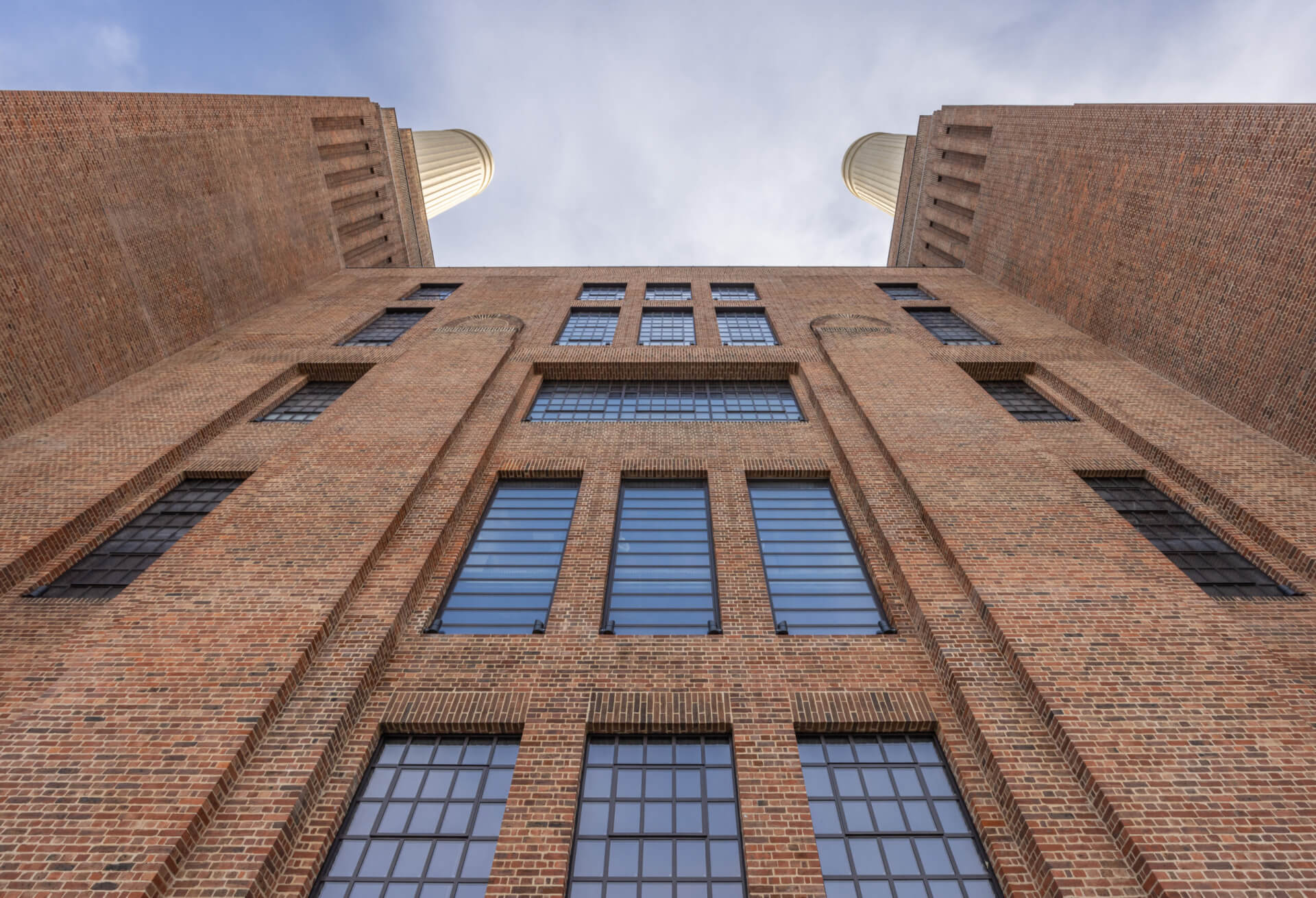
On 14 October, the iconic Battersea Power Station was finally reopened to the public, nearly 40 years after it was decommissioned.
Brought back to life by Battersea Power Station Development Company (BPSDC), the scheme is huge in scale – covering some 42 acres – as was the investment required to get to this stage (£5bn and counting).
Many thought they would never see the day. After the 1930s power station, which at one point provided 20% of London’s electricity, was decommissioned in the early 1980s, it became a derelict shell and over the following decades, myriad investors and developers came forward with ideas about how to reinvigorate the building and surrounding land – including proposals for a theme park and a football stadium. They all fell by the wayside.
Now, nearly 40 years on, the power is back on – and visitors are expected to descend in their thousands on the site via the new Northern line station to see what all the fuss is about.
They won’t be disappointed. The Grade II* listed power station building boasts circa 420,000 sq ft of retail and F&B space featuring occupiers ranging from independent hospitality and retail operators through to large national and international brands.
Electric Boulevard, which is phase three of the development, is effectively the scheme’s high street and runs from the tube station right into the belly of the power station. This area will accommodate some of the site’s larger retailers with Zara opening a 48,800 sq ft store alongside the likes of M&S.
Speaking at the press launch held earlier in the month Simon Murphy, chief executive of BPSDC, described the scheme as a “15-minute city” and a “new town centre” for south London. “You don’t have to leave Battersea island – it’s all here,” he declared.
He added that the completion of the power station redevelopment itself marked a “completion moment” for the company, which forged an alliance with Malaysian investment partners S P Setia, Sime Darby Property and The Employees’ Provident Fund 10 years ago to bring forward the development. The commercial assets within the power station building are now directly owned by Permodalan Nasional Berhad and EPF.
Given the volume of residential and commercial sales and leasing deals already struck, Murphy has good reason to feel satisfied – especially when the developer was ploughing ahead against the backdrop of a global pandemic.
BPSDC will have received planning permission to deliver 8.5m sq ft of space when the site is fully built out. Murphy claims the scheme is currently 50% commercial and 50% residential with a slight “sway” towards resi.
To date, approximately 4,239 new homes have been delivered at the site and more than 3.5m sq ft of commercial space.
Phase three also includes an art’otel hotel in the shadow of the power station. The power station building features Lift 109, a 360-degree glass elevator visitor experience in one of the site’s 109 metres high chimneys offering unrivalled views across London. Visitors will pay around £16 per adult for the immersive experience, which lasts for circa 45 minutes and is expected to attract hordes of locals and tourists alike.
There will be plenty of places for shoppers and tourists to eat and drink in the power station building, with F&B operators such as Le Bab, Where The Pancakes Are and Clean Kitchen Club, taking space. There’s also a 24,000 sq ft Arcade Food Hall, operated by JKS Restaurants, which will open in 2023, and Control Room B from Inception Group – a 1950s style all-day bar in one of the power station’s former control rooms.
The F&B provision isn’t just aimed at visitors but also the thousands of people working on site in the power station’s office space.
The building’s workspace is anchored by Apple, which has taken 500,000 sq ft for its London HQ. In addition, 40,000 sq ft has been let to IWG and SharkNinja has signed for 25,000 sq ft.
The revival of the building required around 450,000 hours of architecture ‘manpower’ from architects WilkinsonEyre, who embarked on the redesign a decade ago when the power station had been reduced to an empty shell.
The architects were tasked with ensuring they retained a sense of the building’s industrial past. This meant they had to factor in painstaking restoration work.
Murphy admitted it was incredibly challenging “putting the new and the old together architecturally and also in terms of construction”.
While the outcome of this meticulous work is impressive, the redevelopment encountered its fair share of issues. Murphy conservatively estimates there was a six-month delay caused by the Covid-19 pandemic, but he says that “even in the darkest of times people were still signing leases”.
He also acknowledged the challenging economic environment globally, but said he remained confident about the scheme’s prospects despite the gathering gloom.
“We’re not blind to the fact the world is in a difficult space at the moment and has been for a long time,” he added. “[We will continue to] manage the things that are under our control and that’s creating an amazing space.”
Murphy said the developer would “pause for breath in the next couple of weeks,” but added that he and his team would not rest on their laurels as there are other residential and office phases that still need to be built out.
In terms of future phases, which will see total spend on the redevelopment hit the £9bn mark, Murphy said there is the best part of a decade’s worth of work to complete, although a lot of the infrastructure work is already in place, which should make it easier to deliver these phases.
He also confirmed that the developer recently sought and received a new planning consent that gives it a bit more flexibility with regards uses and the shapes and sizes of buildings that can be delivered on the site.
When the investment partners took the site on it was a massive gamble – a £5bn-and-counting gamble. Fortunately, the gamble has paid off.
In the power station, 90% of the apartments have sold with only a few of the bigger units remaining. Murphy claimed that the team completed more than £600m worth of deals over the last 18 months – largely with British investors.
It is a similar story when it comes to the commercial space, with 96% of the retail, F&B and workspace exchanged on and let, generating an anticipated annual rental income of around £100m.
The revival of the iconic power station building is now complete, but BPSDC still has lots more work to undertake on the land surrounding the site.



AI’s biggest opportunity in housebuilding isn’t the brochure, it’s the build