To celebrate International Women’s Day 2026, which took place on 8 March, BE News is running a series of interviews with inspirational women who work across the built environment sector
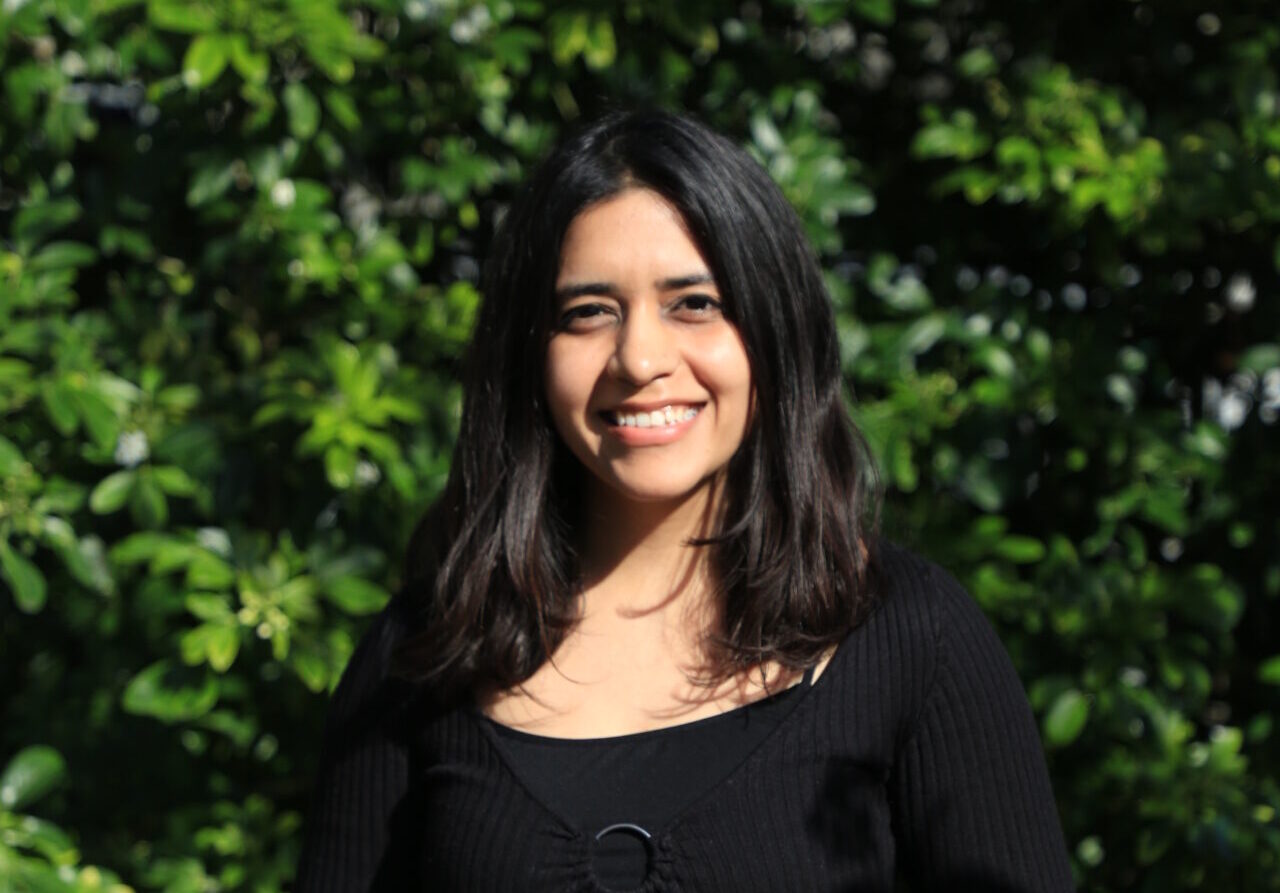
Name Shreya Aneja
Job title: Architectural designer, sustainable design specialist, White Arkitekter
What I do: I work at the intersection of architecture and sustainability, embedding environmental performance into projects from the early design stages through to delivery and beyond. My focus includes reducing operational energy and whole life carbon, supporting circular design strategies and ensuring sustainability meaningfully informs design decisions rather than sitting alongside them. I also engage with the wider industry through publishing, conference presentations, policy frameworks and mentoring students.
Why I got into the property industry: Growing up in India, I was surrounded by cities that were layered, intense and deeply human. Space was never neutral; it shaped behaviour, culture, relationships and opportunities. Architecture offered a way to engage with that reality and help shape spaces that welcomed everyone. Sustainability was never an add on for me. I believe that if we are to build, we must do so responsibly. The built environment felt like the perfect place where creativity, care and long-term impact could genuinely converge.
How I did it: I came into the industry through formal training in sustainable environmental design and a range of professional experiences across different cultures, scales and systems. I have always been comfortable moving between the technical and the strategic – whether it’s a carbon calculation or a policy conversation, a detail on a drawing or a board-level brief. That range has become a key strength in my career, allowing me to contribute meaningfully to complex projects where environmental, social and commercial priorities must align.
My first proper job: My early career was shaped by internships, volunteering and summer placements across NGOs and architectural firms and each one played a key role in refining the kind of practitioner I wanted to become. My first proper job was this one, at White Arkitekter. Michael Woodford, our director, took a chance on me, and since then, I’ve been learning and growing alongside pioneers of Scandinavian design in a practice with deep roots in holistic sustainability.
My first big break: Working with Nostos Homes was a turning point. It is a UK-based NGO building homes for the forcibly displaced people across Africa and India, in partnership with Habitat for Humanity and the government of India. It showed me that architectural thinking could extend beyond buildings into funding models, partnerships and measurable social impact. Being trusted with responsibility early on, and seeing ideas translate into homes on the ground, gave me confidence that meaningful change is possible even early in one’s career.
My current role and focus: As an architectural designer and sustainable design specialist, a key project of mine is the Velindre Cancer Centre, where sustainability, wellbeing and long-term performance are central themes. Working in healthcare has reinforced how architecture can profoundly support care and recovery. Alongside practice, I recently completed a secondment at the UK Green Building Council, contributing to their update on the 2019 Net Zero Framework by writing the final report and chairing task groups. Seeing the industry come together around shared ambition has been one of the most rewarding experiences of my career so far.
The biggest challenge I have encountered to date: Maintaining momentum in sustainability within large, complex systems. Progress can be slow and impact is often incremental, requiring persistence and patience while continuing to advocate for better outcomes.
My greatest achievement/proudest moment to date: There was a particular two week period that redefined what I believe is possible. I went to Cyprus for an international poetry competition, where I placed top five; I then came back to the Architectural Association in London for a project presentation that received a distinction; then onto Durham, where we won a competition securing Nostos Homes a £100,000 research grant. Over 14 days, I found myself in three completely different rooms, with three different versions of myself and each one introduced me to people who genuinely changed how I think.
The biggest misconception about the property industry: That it is solely driven by profit and development volume. Creating places that feel welcoming, dignified and responsive to their context is complex and deeply meaningful work. The most important shift happening now is the recognition that reuse, careful refurbishment and long-term stewardship are not niche concerns, but central to the industry’s future and credibility.
My biggest bugbear/the one thing I would change: The industry needs to draw inspiration from vernacular architecture, which includes natural materials, passive strategies and creating buildings that work for centuries, yet the supply chain and policy landscape often make it genuinely difficult to build that way today. Sourcing low carbon, natural materials at scale remains fragmented and regulations don’t always reward the approaches we know work. The one thing I would change is a more joined-up ecosystem: procurement, policy and practice moving together so that the responsible choice becomes the easier one.
Why I am passionate about DE&I: My upbringing exposed me to different cities, systems and ways of understanding space and opportunity. Inclusive teams produce better judgement and stronger design and outcomes that more accurately reflect the communities we are designing for. The built environment is for everyone and the rooms where it’s shaped should be too.
Where I would like to be in five years’ time: Working strategically across projects and organisations to influence how sustainability and social value are embedded as standard practice, while remaining closely connected to design. I am interested in the space where architecture, policy and long-term thinking overlap.
Who I would invite to a dinner conversation: Andrea Gibson, a great poet and person; BV Doshi, the amazing Pritzker prize winning Indian architect who is deeply grounded and radically generous in his thinking; Roger Federer, as his excellence and humility have always been inspirational to me; and my parents and sister, as they are my biggest support systems and without whom none of the other seats at this table would matter!
What I do in my downtime: When I am not thinking about buildings or carbon, I am usually running, dancing, writing poetry, or trekking to mountain peaks. The mountains, in particular, keep me honest. They are humbling, slow and entirely uninterested in deadlines. They have taught me patience, perspective and a healthy respect for scale are all lessons that turn out to be surprisingly useful in architecture and sustainability.
The job I would be doing if I were not doing this: Something that moves between languages, landscapes and people. A writer, perhaps, or someone who works at the edge of art and climate storytelling. The through-line would be the same: trying to make people feel the stakes of the world they live in and curious enough to want to shape it with care and respect.
My advice for someone just starting out: Do not be deterred by people who tell you something is not possible. Choose an industry that is shaping the future, commit fully and allow curiosity and consistency to compound over time.
My motto/mantra: “Do not go gentle into that good night. Rage, rage against the dying of the light” – Dylan Thomas. The world feels heavy at the moment with so much going on, but this quote always reminds me that effort, attention and full presence matter in work, in life and in the places we build for others.