To celebrate International Women’s Day 2025, which takes place on 8 March, BE News is running a series of interviews with inspirational women who work across the built environment sector
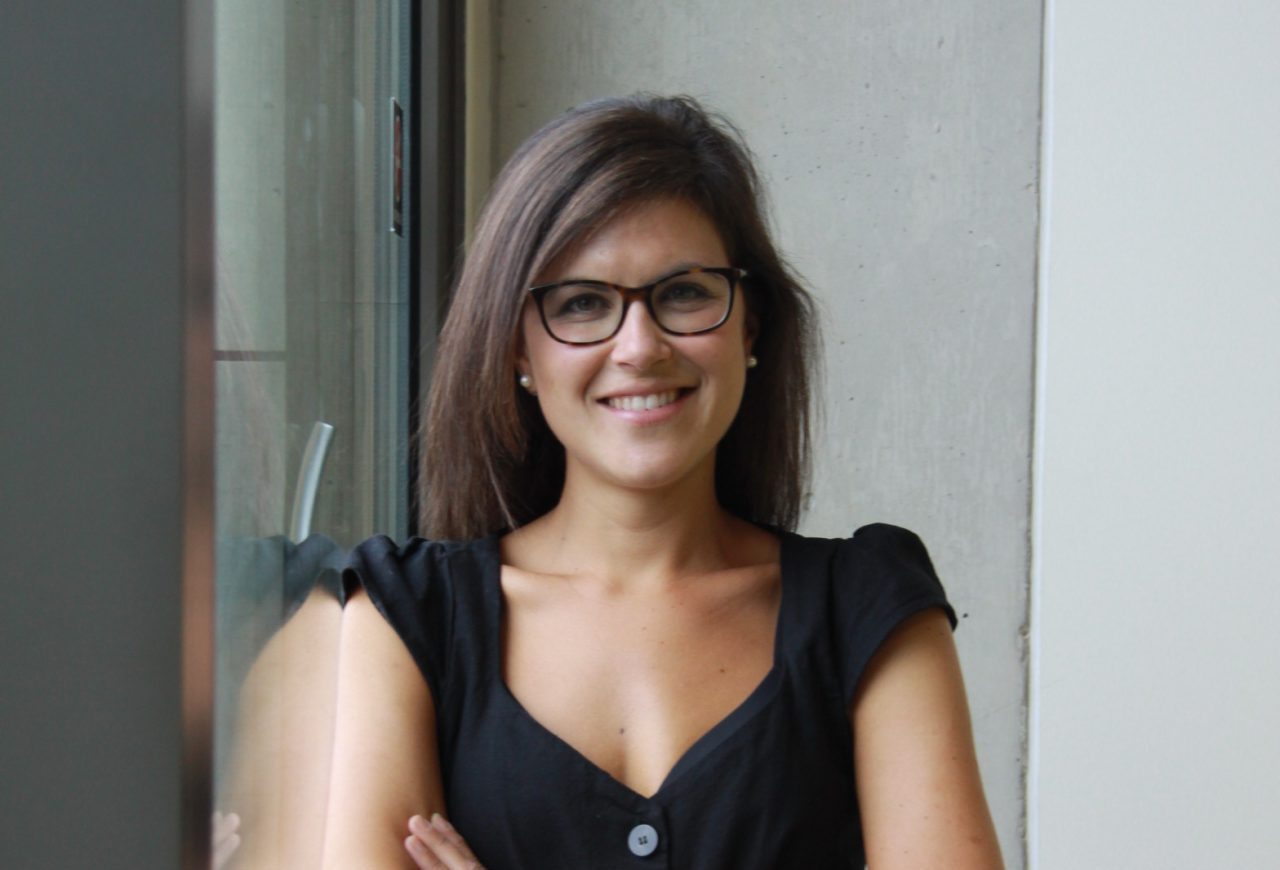
Name: Julia Glynn-Smith
Title: Associate director, WilkinsonEyre
What I do: I lead WilkinsonEyre: Inside, a group that promotes our ever-growing expertise in workplace, hospitality, retrofit and cultural destinations globally. We are passionate about championing the end-user experience and creating innovative, people-focused environments that emphasise sustainable design. While we have historically focused on delivering interiors for our own award-winning buildings, our future plans involve not only supporting the architectural side of the business, but also growing our independence to take on a wider variety of interior-focused projects.
Why I got into the property industry: Both my parents were designers and when they decided to start up their own design company, they had their office in the front room at home and so I was literally immersed in the design world from a very early age.
How I did it: I had a place to study industrial design at Central School of Art and Design (now Central St Martins). In the end, however, I chose to go to Oxford Brooks University to study architecture, as I had been advised that an architectural degree would be a great foundation point and that I could specialise later.
My first proper job: I worked for Harper Mackay as a Part 1 Architectural Assistant. It was a small practice at the time and perfect for learning, as you could see and hear everything that was going on. I got the opportunity to work on a wide range of projects from small residential conversions, which were very client focused, to the fast-paced design development and roll out of Hobbs and Ted Baker stores across the UK. My work experience covered concept stage to site delivery. It was real teamwork – we worked hard and played hard. I had loved my architectural education, but found that practice with all its challenges and opportunities was even more rewarding, and decided I wanted to stay in the industry.
My first big break: I am not sure there was any particular moment. My career has progressed organically. I moved practice quite a few times during my early career, including a period working with my father’s firm and then working for as a solo practitioner delivering residential projects. Each stage was an opportunity to learn new skills and get experience in different sectors. I enjoyed working for myself, but did find the challenge of delivery at the same time as chasing new opportunities a challenge. Eventually, after a short career break to have a child, I decided to return to working in a larger firm where a wider choice of cultural projects was available.
My inspiration(s): My parents were early inspirations – my father was always taking me to exhibitions and museums, and heritage buildings, encouraging me to sit down and draw and to take the time to really observe, to understand how people move across the landscape and use their environment. My mother had a more instinctive way to go about a design problem and would come up with surprising and creative solutions. I hope that I managed to assimilate the benefits of both approaches.
I was lucky enough to go to a school which had a very strong art and design department, where our teachers were passionate about design. Massive shout out to David Butcher and Martin Box! We were given great freedom to explore and learn through hands-on making. Many students went on to have successful careers in architecture, industrial and furniture design.
The biggest challenge I’ve encountered to date: I do relish a challenge! I find that a constrained budget or site can bring out the best and most creative solutions. They are often the sparks that force us to think outside the box and lead us to innovative solutions.
My greatest achievement/proudest moment to date: All my proudest moments have come when the projects are complete, and you see people using the buildings. I love seeing which elements they most enjoy using, how they adapt the spaces or indeed adapt to the spaces. I have been extremely fortunate at WilkinsonEyre to work on a wide range of award-winning projects, but the stand out ones for me are Gardens By The Bay in Singapore, which was a fantastic creative cross-discipline collaboration; the transformation of the Bodleian Library in Oxford into the Weston Library, which was a labour of love for over 10 years; and delivering the Medicine Galleries at the Science Museum, which houses the largest collection of medical artefacts in the world.
The biggest misconception people have about the property industry: Delivering high-quality architecture is a massive team effort and suits all sorts of different skill sets and personalities. The ‘creative’ roles are important, but overall that is a relatively minor timeframe in the delivery of a project.
My biggest bugbear about the industry/the one thing I would change about the industry: More women in senior positions and more diversity in senior positions is needed. I think that architects’ salaries are often not matched up with other professionals. Often, the increasing responsibilities we need to take on can deter people from what can be a highly stimulating and rewarding career.
Why I’m so passionate about DE&I: I strongly believe that a diverse, inclusive workplace is better equipped to bring a variety of perspectives and creative solutions to our projects and, thereby, deliver better environments for us all. We need to encourage a wider range of people to come into the profession. At WilkinsonEyre, we have increased our work experience opportunities and are actively reaching out further for candidates. We also partner with The London School of Architecture to offer employed placements, which allow students to study and work simultaneously – removing some of the financial barriers to students from underrepresented groups, and those who find university fees unaffordable.
Why I’m so passionate about ESG: We, as a global society, have to face up to incredible challenges and need to act fast and be accountable. We need to behave ethically, treat people fairly, operate transparently and we need to expect others to do so too.
Where I’d like to be in five years’ time career-wise: Personally, I am excited to see myself leading WE: Inside business, guiding it through innovative new challenges where we can expand our reach and impact. As an industry we face challenging times ahead both actively combating climate change and understanding and harnessing the potential of AI. How AI will impact our day-to-day jobs in the next five years is hard to estimate at this time – we need to actively engage with it and use it to help deliver better rather than deliver sub-standard generic buildings. We also need to make sure that the use of AI doesn’t become a cross-generational divide.
At the same time the Building Safety Act arising out of the Grenfell disaster has rightly increased our responsibilities and accountability and we will need to work even more collaboratively across disciplines.
Who I’d invite, living or dead, to a dinner party: As I am writing this article, I am going to compile a list of incredible women who have inspired me over the years by being unafraid and fearless to push boundaries, challenge societal norms and try to effect change. Amelia Earhart, Eileen Gray, Jane Drew, Annie Lennox, Tracey Emin, Nina Simone, Michelle Obama, Malala Yousafzai and my mother. It’s going to be a blast!
What I do in my downtime: I am always planning new adventures – last year I was lucky to get to the fabulous Lofoten Islands, which are located in the Arctic Circle off Norway, and this year I am hoping to make it to Japan. It’s a bit of a busman’s holiday, but I always love visiting museums and galleries wherever I go. The movement towards exploring and exposing these new narratives, as part of the decolonisation of our cultural institutions, gets me particularly excited. The future of museums is one to watch!
The job I’d be doing if I was not doing this: I still love being in the design business. I have been very fortunate to be able to incorporate many of my passions into my work, and at the stage in my career, I have certain freedoms to develop the business, so there is no time to get stagnant or bored. If I was to do something else, it might have to be something completely different such as wildlife volunteering.
My advice for someone just starting out: Follow your passions, if you don’t see a role for your passion make one. Be authentic, be curious, be tenacious, be flexible.
My motto/mantra: ‘Try harder’ – it works!
Why IWD is important to me: It reminds me to reflect on the importance of women within a business that doesn’t always appear to be diverse. An opportunity to champion those different viewpoints. An opportunity to remind myself that these opportunities are not available to all, that we still need to fight for gender equality – equal pay and equal say.