US-based investor and developer Civis has acquired the historic Central Methodist Hall building in Birmingham city centre for an undisclosed price.
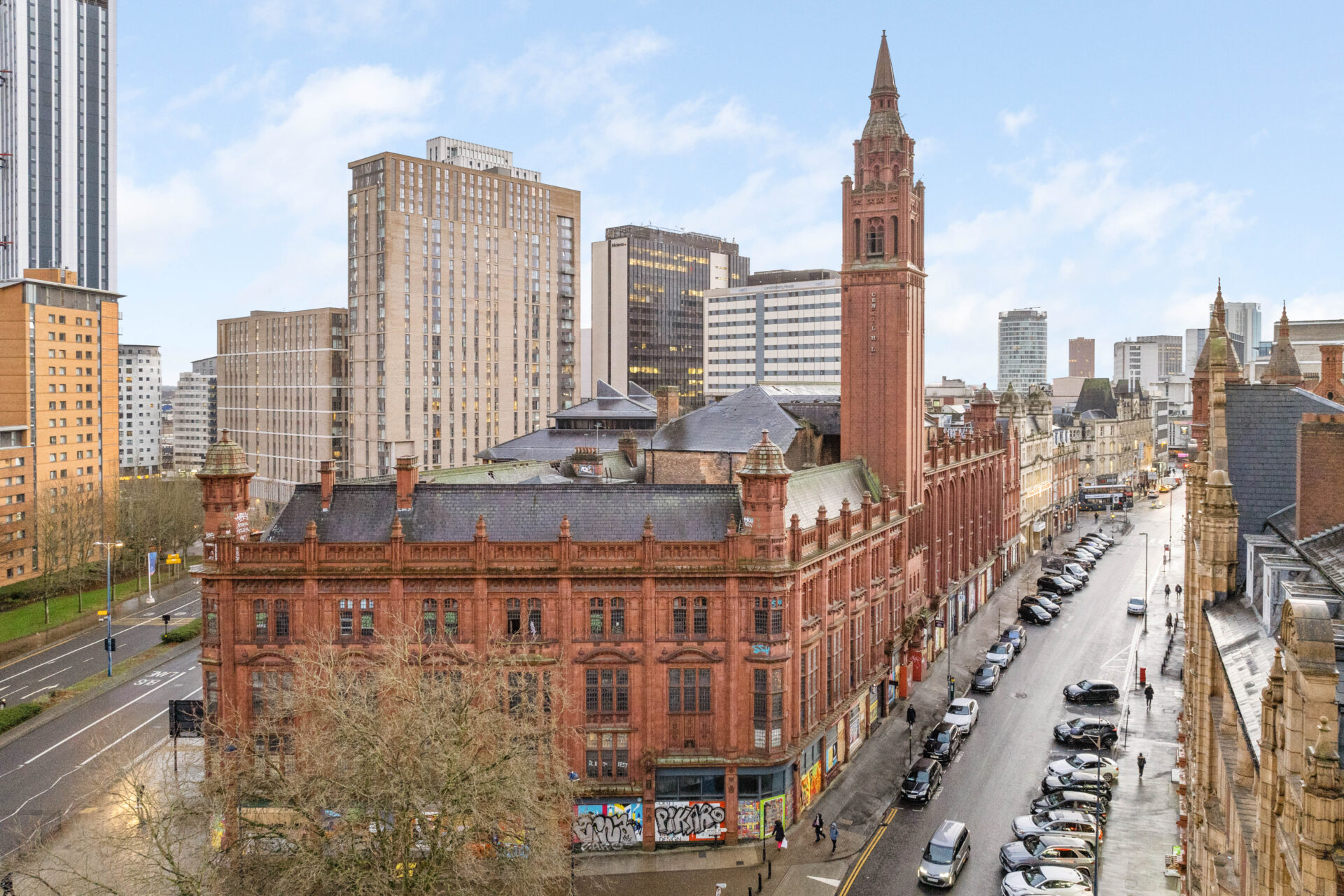
Built in 1904 by local architects Ewan Harper and James A. Harper, the Grade II* listed building occupies a prominent position in Birmingham’s Civic Quarter. The building was formerly home to the iconic Que Club nightclub, but has remained vacant for more than two decades.
Civis is currently refining its plans for the building, but has confirmed its ambition is to bring the historic structure back into active use through a model that combines heritage preservation with cultural, educational and community-focused activity.
Eric Galloway, from Civis, said: “Civis is leading the effort to restore Central Methodist Hall as a civic and cultural institution. The restored building will combine heritage preservation with public programming, creative production, education, hospitality and community access. Its spaces will hold performances, exhibitions, civic dialogue, making, learning and cultural enterprise.
“The project is built around a public-benefit model in which commercial activity sustains civic purpose. Revenue from venue use, hospitality, studios, events, and creative enterprise will support public access, cultural programming, artist development and the institution’s long-term resilience. It will become a public hall for Birmingham’s next generation.”
Michael Maguire, development director at Savills, which alongside Sanderson Weatherall acted for the vendor on the sale, added: “The sale of Central Hall represents an exceptional result in what continues to be a highly selective development and investment market. This is one of Birmingham’s most iconic historic buildings and its scale, listed status and complexity meant securing the right purchaser was critical.
“Civis demonstrated both a strong appreciation for the building’s heritage significance and a compelling long-term vision for its future. We are delighted to have helped facilitate a transaction that safeguards the future of this important landmark and creates the foundations for a transformative regeneration project in the heart of the city.”