Remedial work to England’s poorest housing could provide around £135.5bn in societal benefits over the next 30 years, according to a new cost-benefit analysis published by the Building Research Establishment (BRE).
BRE estimates remedial works to the 2.4 million homes in England identified as having some of the most serious health and safety hazards, would cost circa £9bn.
However, the organisation said the repair bill would be more than offset by savings to the NHS, lower energy bills and carbon emissions, higher asset values and improved economic opportunities as a result of better health, with the £9bn investment paying for itself within nine years.
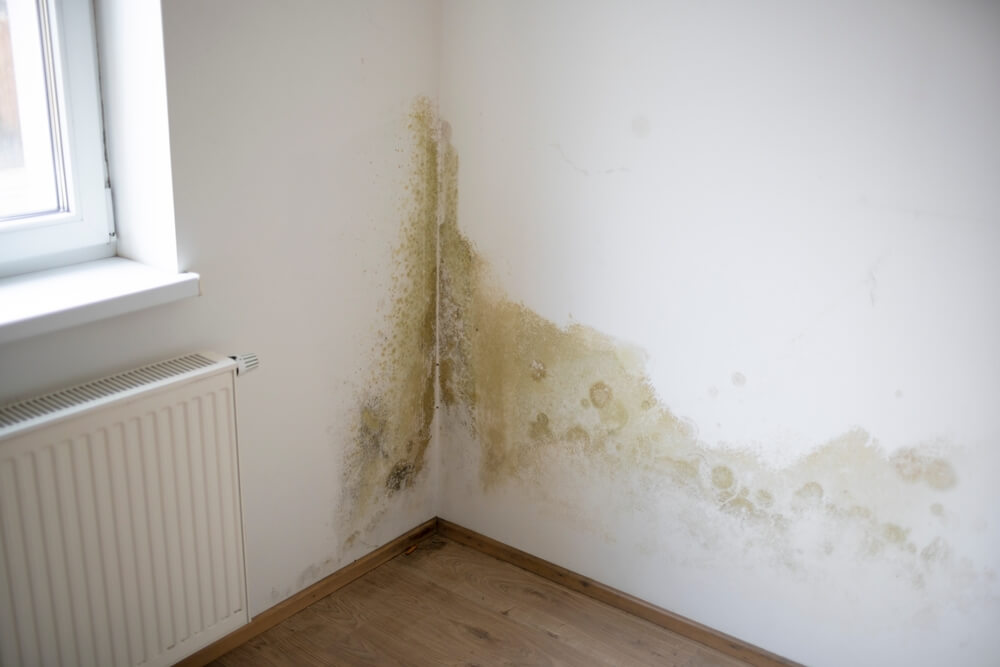
According to BRE’s research, improving the 65,000 homes considered to have a category one damp and mould hazard would cost £250m, unlocking £4.8bn in societal benefit over the next 30 years if this work was to be undertaken immediately.
Gillian Charlesworth, CEO of BRE, said: “Our analysis is a clear signal to policymakers that investing in the health and safety of England’s poor housing will deliver significant, long-term economic and societal benefits. Up until now, no serious attempt has been made to examine and quantify the longer-term costs and benefits if the worst health and safety hazards were removed from England’s substandard housing.
“Improving poor housing has huge implications for the life chances of the families who live in those homes, and benefits to society as a whole. Whether it’s a young family living with cold, damp and mould, or an older person at risk from falls, nobody should live in a home that’s unsafe. But our research shows there is much more than a moral case for tackling unsafe homes. There is also a powerful economic argument for England and the UK to deliver the improvements needed, through targeted and timely programmes of work to reap the financial payback.
“By building on our previous research, we hope to further inform local and national government where the most problematic homes are and provide a foundation for dedicating strategic resources to remediate poor housing for the benefit of individuals, the national economy, and wider society.”