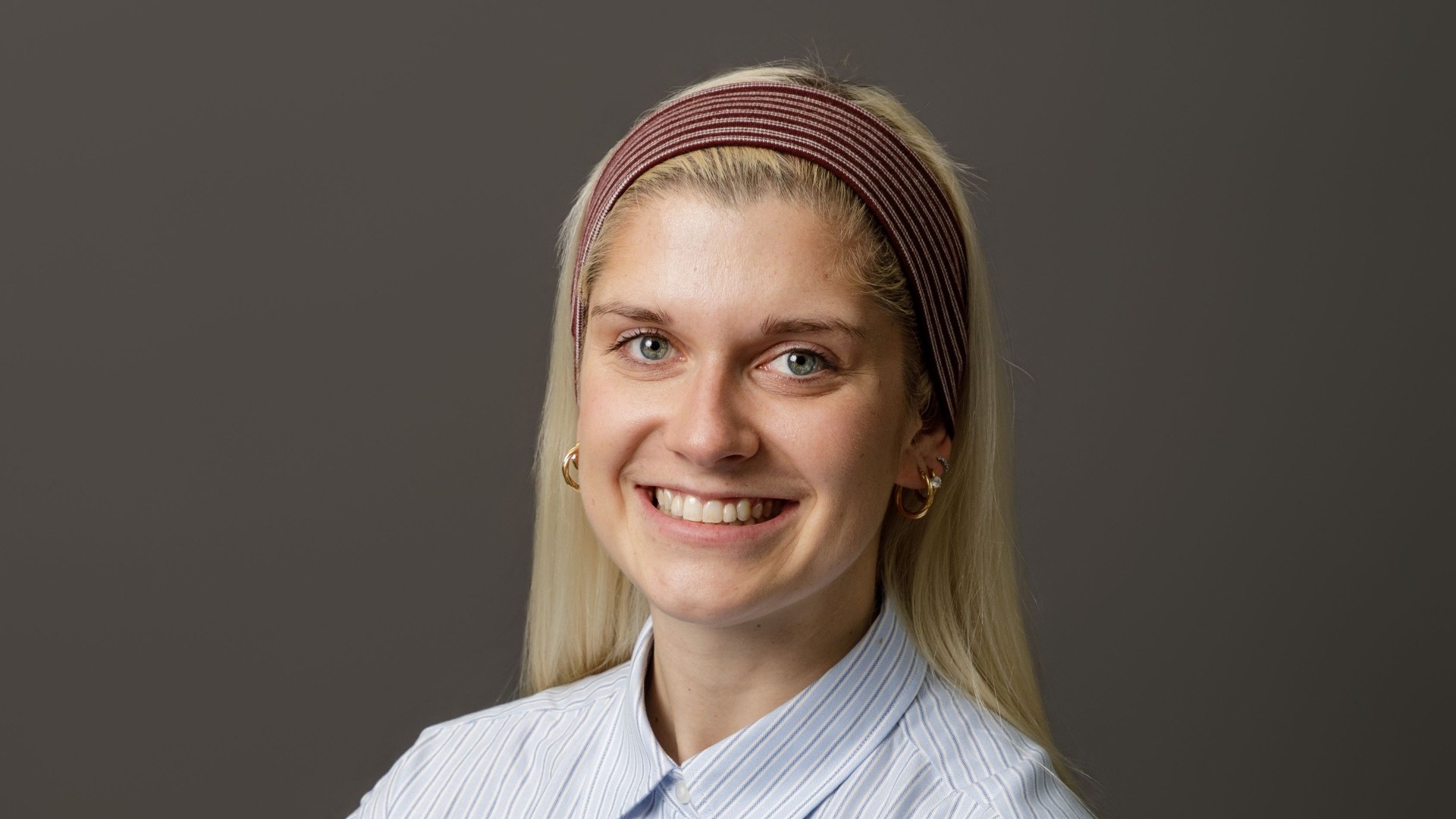
Name: Guy Battle
Job title: CEO and founder of Social Value Portal
What I do: In addition to being the CEO and founder of Social Value Portal, co-chair of the public sector chapter for The Sustainable Procurement Pledge and facilitator and associate manager for the National Social Value Taskforce, I am also chair of Riversimple – we build hydrogen fuel cars to deliver net zero carbon personal mobility.
Why I got into the property industry: I did not particularly feel that it was my destiny. In fact, like most 18-year-olds, I was pretty open to anything. However, my father worked in the property industry, so I had insight from his experience and it seemed like a natural step to follow him into the sector. I have no regrets as my time in engineering allowed me to combine my creative side with my scientific side.
How I did it: I went to Bath University where I studied building engineering with architecture, which looking back now was in fact my first experience of ‘radical collaboration’ which of course is what building design is all about. The four-year combined course was multidisciplinary, bringing together architects, structural, civil and building services engineers where we all worked together for years one and four, while branching out into our specialist subjects in between. It taught me about the complexity of buildings in the first instance and enjoyment of interdisciplinary, integrated design. I also learnt what it’s like to work in a team with competing objectives and to use that creative tension to design and build things which set me up for a career in property.
My first proper job: Environmental engineer at Ove Arup & Partners (now known as Arup) – building, engineering and architectural firm. I joined in September 1986 straight after university.
My first big break: Apart from working at Arup, which opened up my life to integrated design and working with some amazing architects such as Foster, Rogers, Alsop and Gehry, I can think of two opportunities that came about during my time there. The first was a conference I went to in Paris around 1990 where I first heard the term ‘sustainable development’, thanks to the Brundtland Report, which had been launched a few years before. This event is what inspired me to follow the sustainability path throughout my career. The second big break was working with a colleague at Arup called Chris McCarthy who also believed in sustainability. Alongside an architect called Will Alsop, we designed Le Grand Bleu in Marseilles which focused on optimising the use of the natural elements (air, wind and light) to control the temperature and ambience of the building. We then went on to design the GSW headquarters in Berlin, on Checkpoint Charlie, which is one of the first buildings in the world to have a double skin wall, with a flue (1.2m wide) to draw air from the north side of the building up into the top of the building to keep it cool. However, despite the support received by Arup, I felt restricted and under valued (like so many idealists!) and so Chris and I set up our own sustainable building engineering company, BattleMcCarthy in 1993 – Sustainable Solutions for the Built Environment. We went on to win a project to design D’Hautree school in Jersey which became our first sustainable building design – and Jersey’s first sustainable building project.
My inspiration(s): The multi-disciplinary course at university was very important to me and of course my time at Arup, which led me to meet some visionary architects who taught me about the creative approach to integrating architecture and engineering. More recently, the former MP, Hazel Blears inspired me to get into social value. I was working at Deloitte in 2014, which wasn’t really the right fit for me, when I met Hazel, who told me about the Social Value Act. I was really inspired by her sense of purpose and she ended up asking me to help write a report on social value for the Cabinet Office. While researching and writing the report into how the Social Value Act was being adopted, I came to realise how much more work needed to be done to embed social value. At the time, there was no measurement framework and people were trying to do social value, but actually had no idea how to go about it. That experience was the birthplace of what is now the social value measurement framework, the TOM System. It took me until 2017 to publish a final version, but the inspiration started with Hazel in 2014.
The biggest challenge I’ve encountered to date: Inertia within the system and a natural resistance to change in the public and private sectors. I’ve always embraced change and new ideas naturally, so it’s challenging when there are too many ‘no’s’ and not enough ‘why not’s?’
My greatest achievement/proudest moment to date: The first Social Value Conference in Birmingham in 2017 where we launched the National TOMs (as it was known then). Andy Street spoke and what was amazing is that we had about 135 people turn up, which seemed like a lot of people in those days, coming to a conference to learn more about social value. The venue was absolutely rammed with people who wanted to know about social value and the new measurement framework. We are now planning our seventh conference looking at an audience of over 2,000 attending in person and the streamed event. I also felt extremely proud, watching Michelle York present the work of Nuneaton Signs at last year’s Social Value Conference (2022), where she spoke about some of the severely less abled individuals who are doing such important work. It made me realise that we as a business are playing a really important role in changing people’s lives for the better. Ultimately, social value is about making people’s lives better and that’s what gets me out of bed in the morning.
My biggest bugbear about the industry/the one thing I would change about the industry: The biggest frustration I have is with investors who see buildings purely as revenue drivers with little to no understanding about the important role that building has to play in nurturing a flourishing local community. This is now changing, and there are some pioneering organisations out there leading the way in shifting this attitude.
Worst moment: Turning down The Eden Project in the late 90’s when I was with BattleMcCarthy. I was working on the new Sadler’s Wells Theatre which included a bore hole that went 200m into the ground to provide the cooling for the building (thanks to Lottery Funding) and we had too much work on. Now it feels like turning down The Beatles.
Why I’m so passionate about DE&I: It starts in my family. I have a blended family, which includes two different religions and seven children in total. Being a father in the middle of such a diverse mix of personalities, I see how important it is to engage with – and encourage – difference. At the end of the day, if you embrace differences, you realise that diversity is a wonderful thing, which creates a more interesting, successful and stronger society and this is something I am constantly fighting for.
Why I’m so passionate about ESG: I’ve been passionate about ESG throughout my entire career. People, place and planet are integral to what I believe in. We need a planet that is safe for our kids, places where people can flourish and where people matter. Ultimately, if you’re embedding ESG or social value into your decision making, it will naturally lead to better places to live, thriving communities, greater opportunities for those who are challenged and a planet that we are in harmony with – instead of fighting against.
Where I’d like to be in five years’ time career-wise: I want SVP to have achieved its goal of delivering £100bn of social value and having an impact not only in the UK but across the globe.
Who I’d invite, living or dead, to a dinner party: It would need to be a mix of people – not too ‘high falutin’, people who would get on with each other, have a serious conversation and a bit of a laugh at the same time. Barack Obama, Caitlin Moran, Matthew Sayed, Justin Welby, Ruby Wax and the Dalai Lama – now that would be interesting!
What I do in my downtime: With seven children, there’s never a dull moment, but I have a developing passion for my vegetable patch. For relaxation, I will spend a good few hours cooking and try to get out on my bike as often as possible.
The job I’d be doing if I was not doing this: Politician.
My advice for someone just starting out: Follow your passion and don’t follow the money just for the sake of it; wealth will follow. Never be afraid of failure, it just means you are closer to finding an answer. Finally, be patient and be prepared to put in the hours and the graft if you want to succeed.
My motto/mantra: No regrets, tomorrow is another day and another opportunity to make things right.