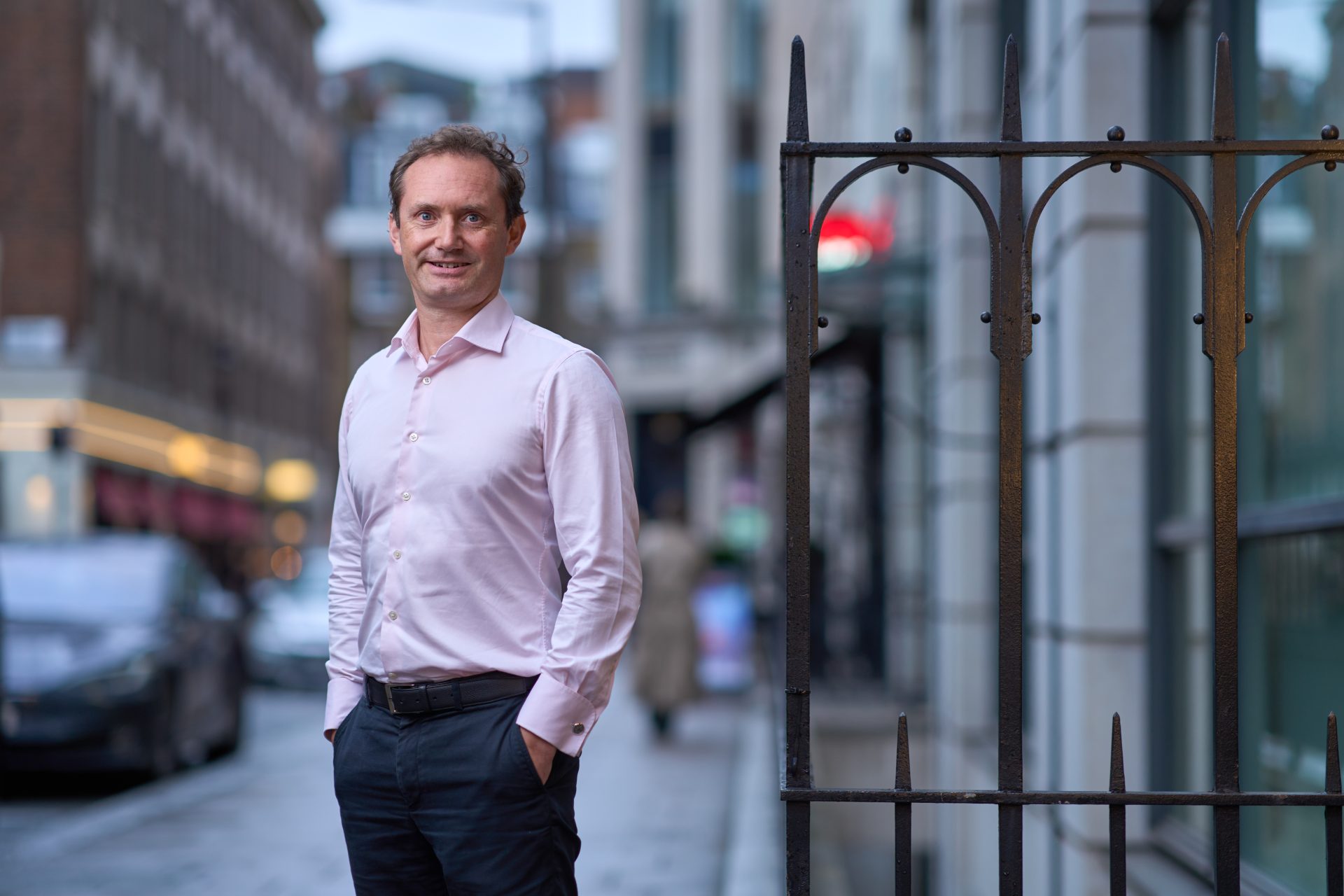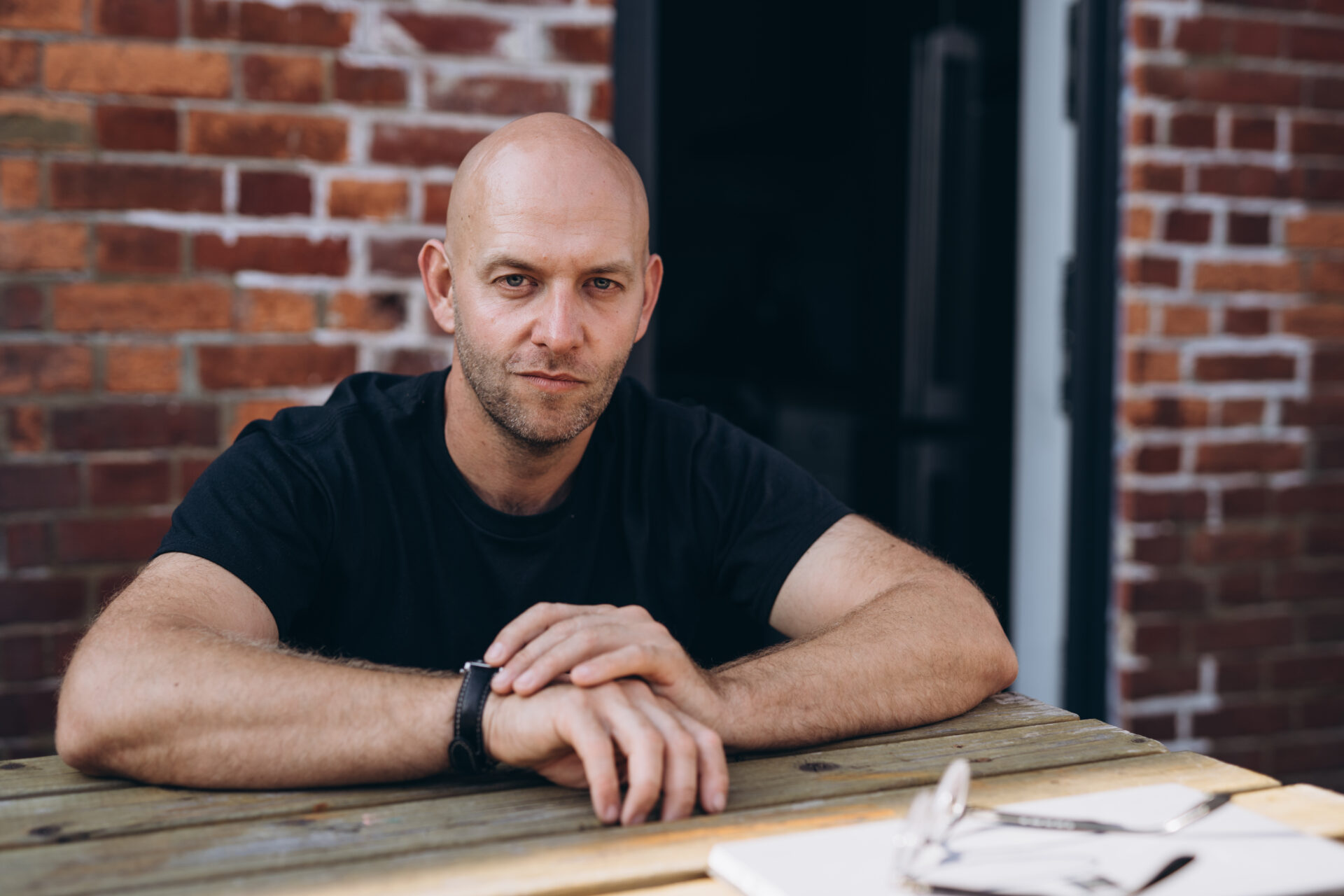
Name: Steve Anderson
Job title: Founder, HappiHub
What I do: I run a mental health and wellbeing company in the construction and property industry.
Why I got into the property industry: My father was a builder, so it seemed only natural to fall into the same kind of industry.
How I did it: I was lucky enough to have an understanding of the industry before I started, so I kind of got a view of who to talk to and where to start positioning myself.
My first proper job: I was a maintenance man for an estate agency in the Kent area.
My first big break: Landing a development site to build three detached properties in Maidstone, Kent.
My inspiration(s): My three sisters, who no matter what I have been through, or have done, they have always supported me.
The biggest challenge I’ve encountered to date: I went into rehab for a pain killer addiction. Being away from my friends and family for a long time whilst in recovery was difficult.
My greatest achievement/proudest moment to date: Succesfully launching my business, the mental health and wellbeing company Happihub and its Happicare offering.
The biggest misconception people have about the property industry: The biggest misconception about the construction industry is that it’s all about physical labour and toughness, when in reality, it demands mental resilience, problem-solving and adaptability, while also struggling with high stress, long hours and a serious mental health crisis that often goes unspoken.
My biggest bugbear about the industry/the one thing I would change about the industry: My biggest frustration with the construction industry is the deep divide between the workers on-site and those in the office, creating a disconnect that fuels stigma around mental health. It’s also one of the few industries where 90% of the workforce can be labelled as self-employed, allowing many company directors to feel less accountable for their wellbeing – when in reality, they should care even more.
Why I’m so passionate about DE&I: Because of my own personal journey from struggle to recovery; this has shown me the power of opportunity, support and mental wellbeing, and has enabled me to create spaces where everyone, regardless of background or circumstance, feels valued, empowered and is able to thrive.
Why I’m so passionate about ESG: It’s about creating a better, more sustainable future – not just for businesses, but for the people within them. Having seen firsthand how companies can either uplift or neglect their workforce, I believe in prioritising wellbeing, ethical leadership and real social impact. In industries like construction, where mental health, safety and worker treatment are often overlooked, ESG isn’t just a box to tick – it’s an opportunity to drive real change, break stigma and build a culture of responsibility and care from the ground up.
Where I’d like to be in five years’ time career-wise: To be a fair way through my journey of cracking the stigma around this industry.
Who I’d invite, living or dead, to a dinner party: David Attenborough, Lee Mack, David Jason, Stephen Fry and Liam Gallagher.
What I do in my downtime: I enjoy spending time with my children and my dogs and watching Tottenham Hotspur play.
The job I’d be doing if I was not doing this: Something creative, performing or helping people perform.
My motto/mantra: Remember Batman needed Robin, you don’t have to fight your battle alone.