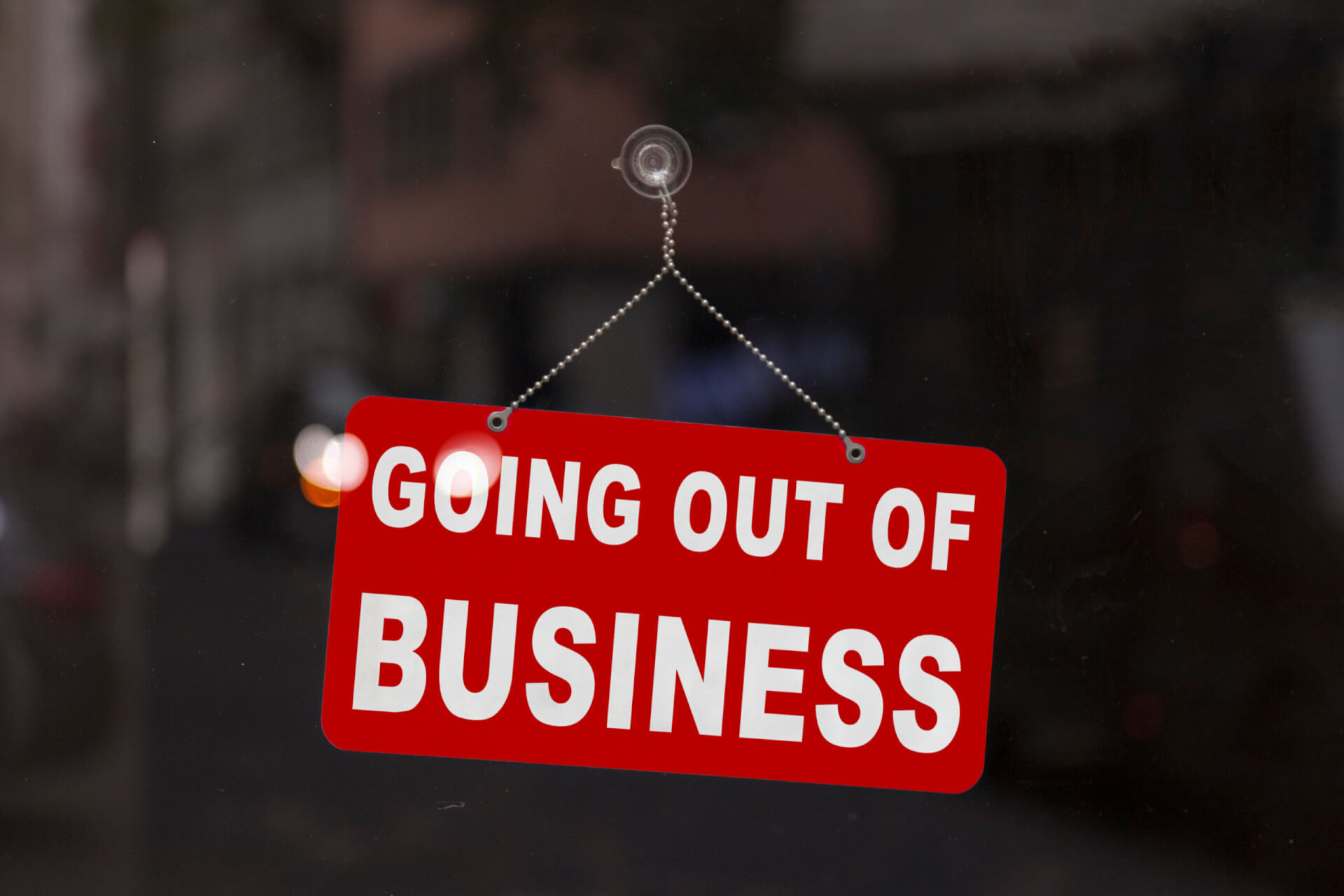
The number of companies filing for administration in Q1 this year increased by 16% on the same period last year, with building and construction, manufacturing and retail experiencing the highest number of appointments, according to data from Interpath Advisory.
In the first quarter of 2023, 285 companies fell into administration up from 246 companies in Q1 of 2022, making it the highest number of Q1 insolvencies since 2020.
Blair Nimmo, chief executive of Interpath Advisory, said: “It has been an extremely challenging few years for UK businesses trying to navigate rising inflation and interest rates, political turbulence and changes in consumer confidence, all following a global pandemic. Yet in spite of these disruptive economic conditions, we have seen relatively low levels of insolvencies over the last three years, proving many British businesses to be remarkably resilient.
“It remains to be seen, however, whether this changes now that government support has been tapered. The energy support scheme for businesses was replaced earlier this month with the Energy Bills Discount Scheme which is only applicable to the most intensive energy users. Interestingly, there are a number of sectors not eligible for the scheme that still use a lot of energy such as pubs, restaurants, and other leisure businesses.
“With energy bills likely to remain elevated for the foreseeable future, many businesses will be keeping an extra close eye on costs, looking at their cash flows and considering whether to pass on extra operating costs in the form of price rises.”
Nimmo added that although corporates have fared much better than “the doom and gloom predicted last year” due to the highly uncertain economic outlook “it is key that businesses prioritise their liquidity and cash management, identify potential cash pinch points as early as they can, and implement cost-saving schemes to protect margins. Seeking advice early and engaging with stakeholders will help to provide additional cash headroom and improve performance”.