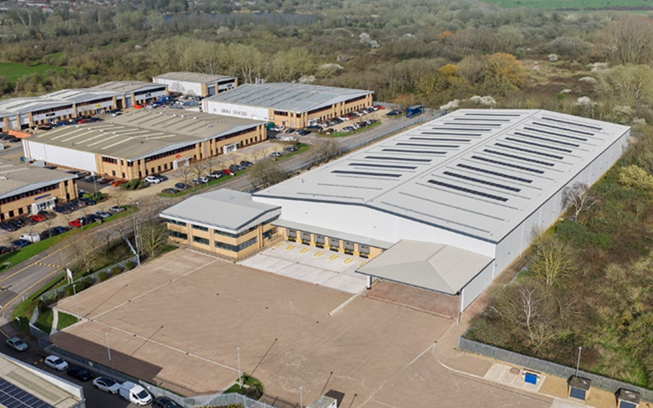
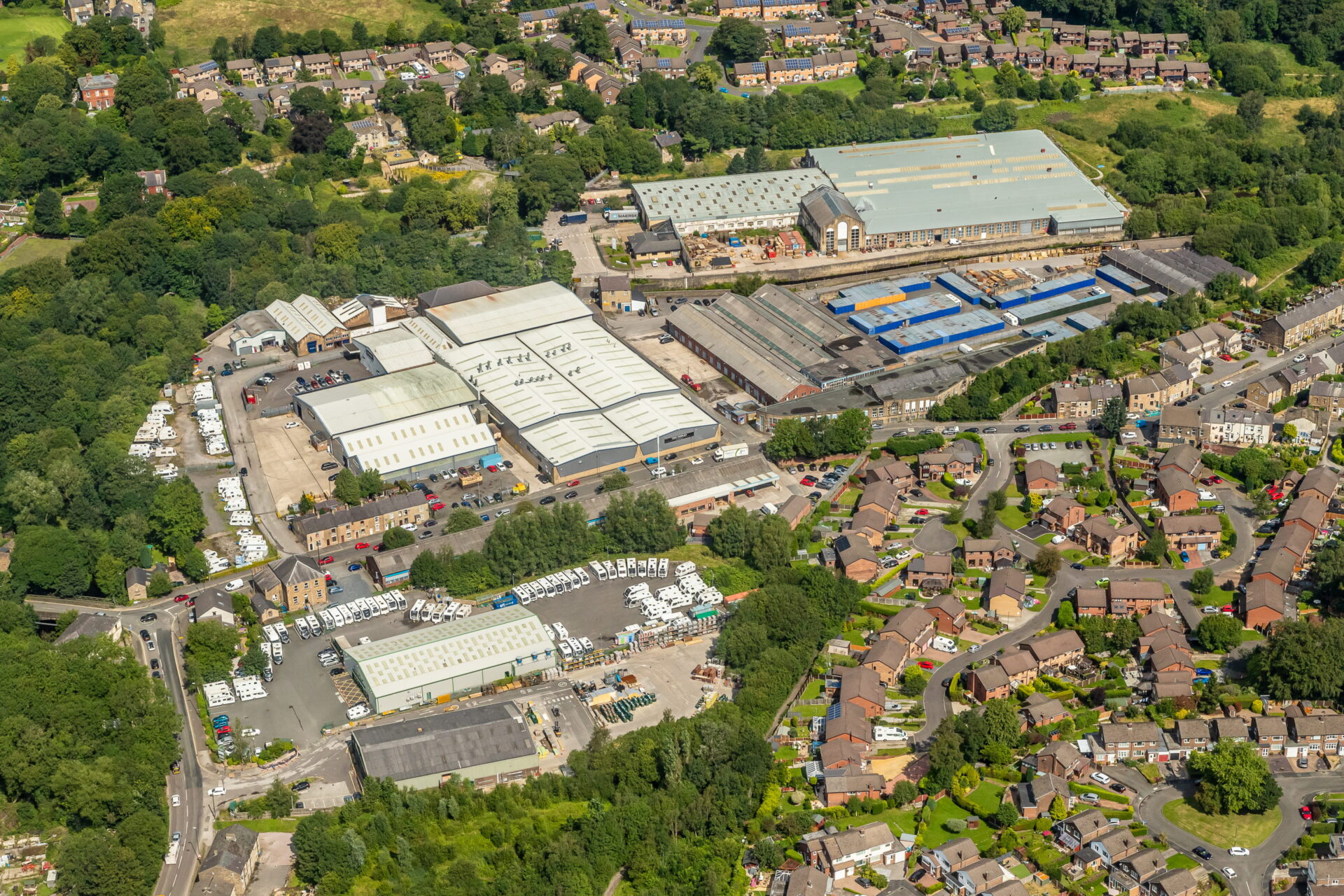
Global prime warehousing costs increased by 1.1% in the six months to March 2025, taking the increase in overall warehousing costs to occupiers to 3.6% in a 12-month period, according to the latest data from Savills.
This is a notable decrease on the 7.3% growth observed in the previous 12-month period, with warehouse headline rents stabilising or declining in some markets.
Rising occupier operating expenses have made up the bulk of cost increases in many markets, according to Savills’ data, which tracks rent, taxes and service charges, with a shift towards the need for smart, tech-enabled facilities and greater automation.
London retains its position at the top of Savills’ global warehousing costs index for the fifth consecutive year, recording total annual occupancy costs of nearly $49/sq ft.
Sarah Brooks, associate director in Savills’ world research team, said: “Slowing cost increases reflect an industrial occupier market in transition: post-pandemic momentum has largely given way to more cautious occupier behaviour in the face of geopolitical and macroeconomic uncertainty. Increased warehouse supply in some markets also tempered rent increases. Regionally, however, costs have still grown year-on-year: Europe saw the largest increase in prime warehousing costs at 5.3% in the 12 months to March 2025, while in Asia Pacific and North America, this figure stood at 1.8% and 1.3% respectively over the same period.”
Rick Schuham, CEO of global occupier services at Savills, added: “For those signing leases now, risk management and flexibility are paramount. Across all regions, occupiers are pursuing lease structures that offer greater agility, including shorter term commitments. Managing the risks associated with everything from climate change to wide ranging, regularly changing and unpredictable tariff declarations is also impacting logistics requirements and supply chains.
“Traditional drivers like transport access and access to affordable labour remain essential, but are weighed alongside power availability, automation, and smart systems. Cost management continues to be a priority but, globally, tenants want to optimise available space and improve efficiency.”