More than a third of businesses intend to reduce their office space requirements and more than two thirds want the flexibility to increase or decrease their office footprint as their needs change, according to a new survey undertaken by flexible space provider Orega.
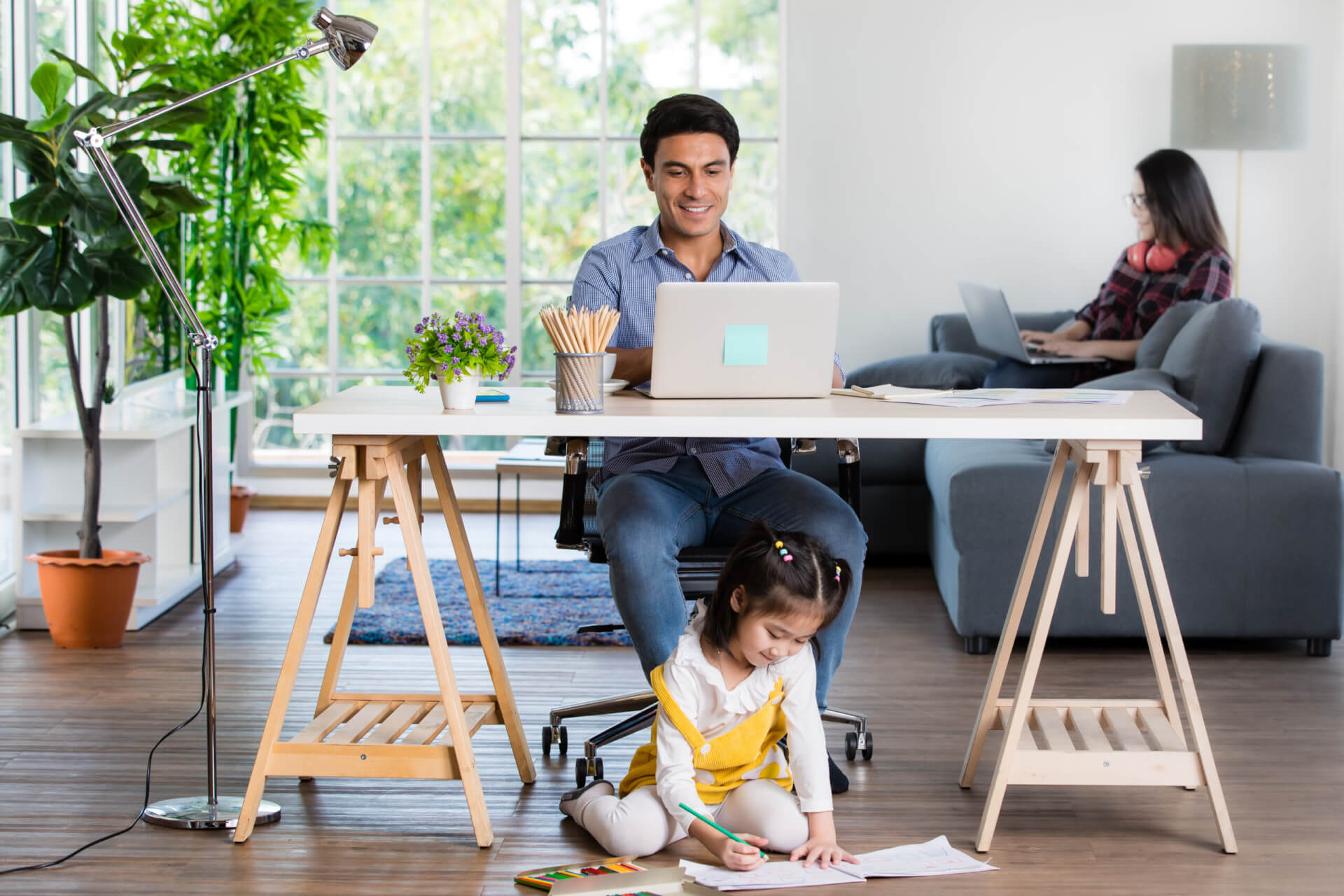
Of the 2,000 UK office workers surveyed, 58% said they had embraced a hybrid way of working, most commonly spending three days in the office and two remotely.
This is having a significant impact on the office requirements of businesses with 37% saying they intend to reduce their office footprint, rising to 42% in London. The survey found banking, finance and insurance (51%), energy and water (50%) and transport and communications (48%) businesses were more likely to reduce their office space.
The majority of respondents (53%) said they intend to reduce their office footprint by 20-50%, with 12% of businesses planning to cut space by more than a half. Only 10% of businesses said they intended to look for larger offices and only a third (34%) of businesses said they would retain their current office when the lease ends. In London only 22% of businesses said they would retain their current office when the lease ends.
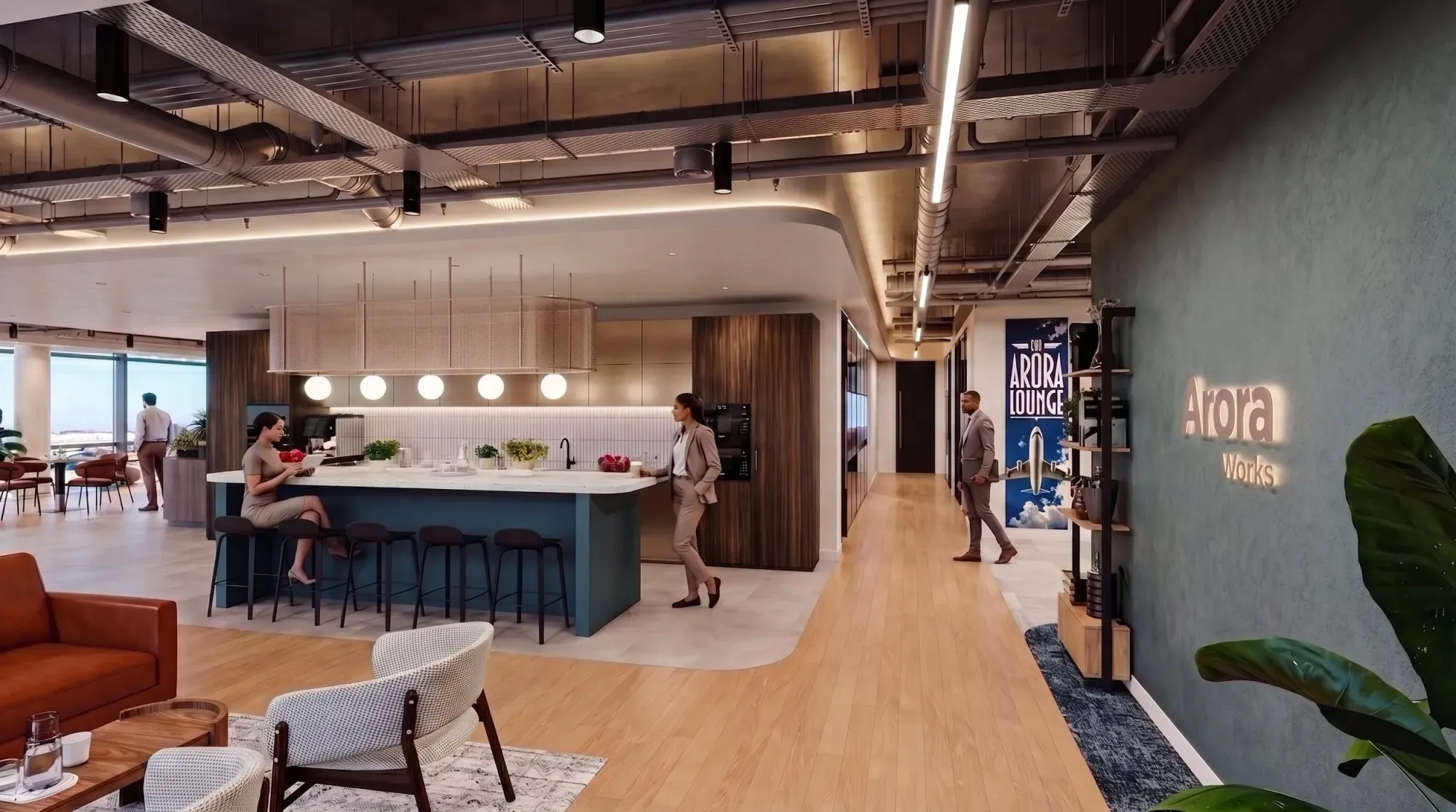
Many of the businesses looking to reduce their office space are looking to switch from long leases to flexible workspace. Some 59% of businesses surveyed said they would consider some form of serviced office/flex space and 42% of office workers stated they would like to work in the office and near home in flex or serviced office space rather than working from home.
Zach Douglas, CEO of Orega, said: “Our survey has revealed the massive change that our office environment has undergone through and post the pandemic as hybrid working appears to be here to stay and most employers are accepting of this. Given overall hybrid working does not appear to be negatively impacting productivity in most industries but is also providing a positive impact on mental health and is preferred by most employees, we are unlikely to see a return to the full five days a week office working.
“We also see that the office still has an essential role to play in the world of work particularly as a place to collaborate and communicate. But employees of all age groups are also looking for privacy and a quiet place to work – which appears to be far more important to them than gyms and mixing with people from other businesses.
“And thirdly, flexibility is becoming key. Over half of business leaders said the pandemic has led them to rethink about existing leasing models, and when their leases are up one third of businesses are looking to reduce their office space. Many will keep existing space (34%), but another (21% ) said whilst they would keep their office space, they will allow employees to also work in flexible workplaces near home. More businesses than before are looking at flexible leases, serviced office and hub and spoke space, particularly those office occupiers in central London.”