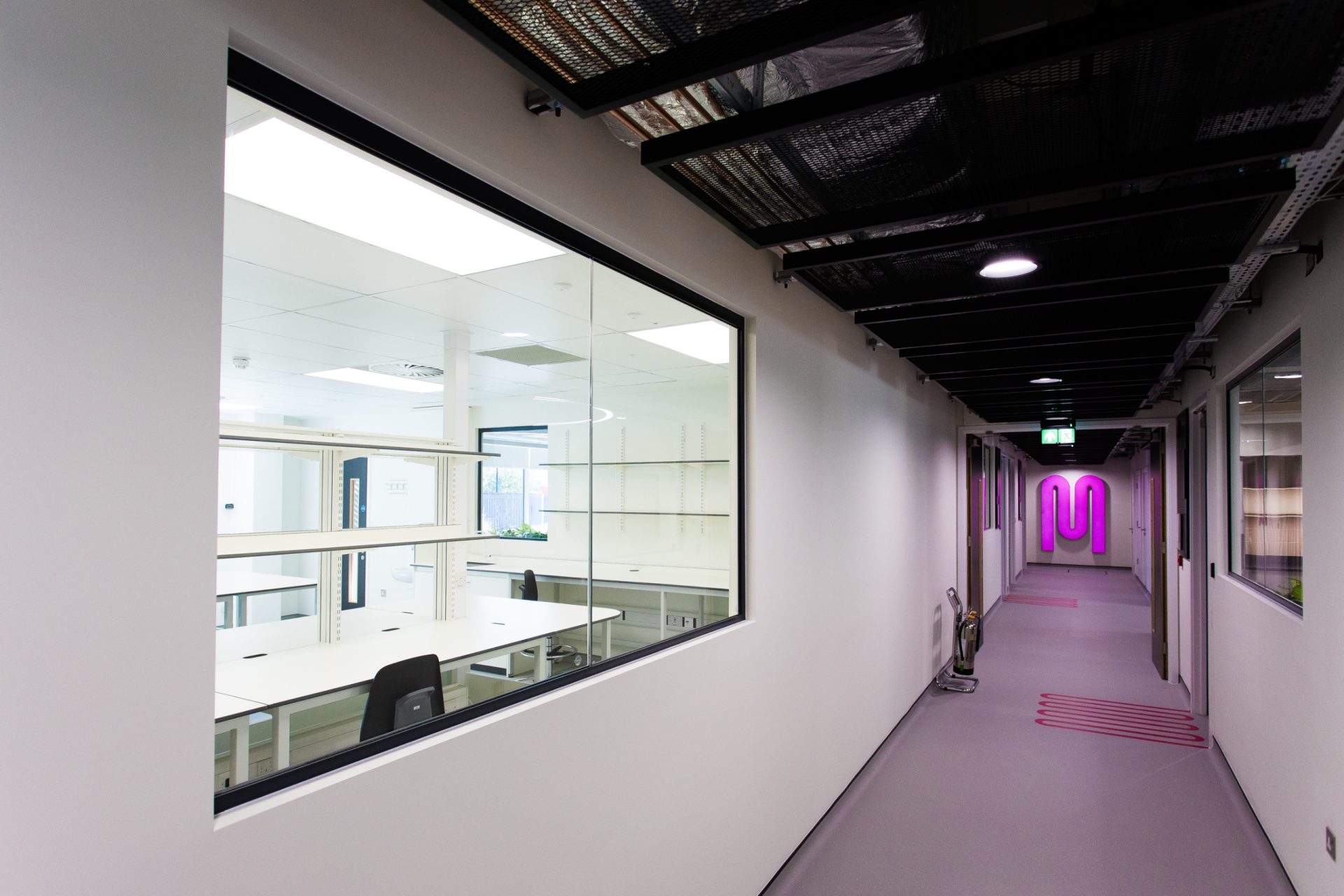
Yellowstone Biosciences has signed for more than 8,000 sq ft of fully fitted lab and office space at ARC Oxford science and innovation campus.
The newly-formed company was spun out of the University of Oxford to pioneer soluble bispecific TCR-based therapies for cancer and recently secured £16.5m in Series A funding from Syncona.
Yellowstone Biosciences joins more than 35 science and tech organisations at ARC Oxford including Oxford Biomedica, which manufactured the AstraZeneca covid vaccine, MiroBio and OMass Therapeutics.
David Williams, senior director of leasing at ARC, said: “We’re delighted to welcome Yellowstone Biosciences to our thriving life sciences cluster at our ARC Oxford Campus. Given the rapid pace of growth of research-intensive businesses in Oxford and spinouts from Oxford’s universities, it’s crucial that we deliver a consistent, diverse and flexible supply of laboratory and technical space, to support both established companies and those in their infancy.
“Yellowstone’s move to ARC Oxford into a fully fitted lab and office space at Series A is a remarkable achievement and is testament to our commitment of ensuring Oxford remains a thriving hub of innovation. We look forward to supporting Yellowstone Biosciences on their exciting growth journey as they develop groundbreaking therapies to treat cancer and transform patients’ lives.”
Professor Paresh Vyas, co-founder and chief scientific officer of Yellowstone, added: “Frequently expressed antigens that can be targeted therapeutically are notoriously difficult to find but, through two decades of research, we have identified a new class of targets that have potential to treat cancer and extend patient’s lives. We believe that our technology has the potential to selectively kill tumour cells, whilst sparing healthy cells, in a range of cancers.”
Dr Benedicte Menn, senior investment manager at Oxford University Innovation, said: “With ambition to become a world class UK company, Yellowstone is our latest spinout from the University of Oxford. The company has potential to treat and extend the life of patients with different forms of cancer, starting with acute myeloid leukaemia. We’re delighted that Yellowstone and Syncona are partnering on this launch and look forward to tracking the progress of the pipeline.”