The property market is in a downward cycle with recent rises in interest rates negatively impacting investment activity, according to the Royal Institution of Chartered Surveyors’ (RICS) Q2 UK Commercial Property Monitor.
The majority (68%) of respondents to the quarterly property monitor feel the property market is in a downturn with the deteriorating credit environment playing a significant role – RICS said credit conditions have hit the weakest level since records began in Q3 2014.
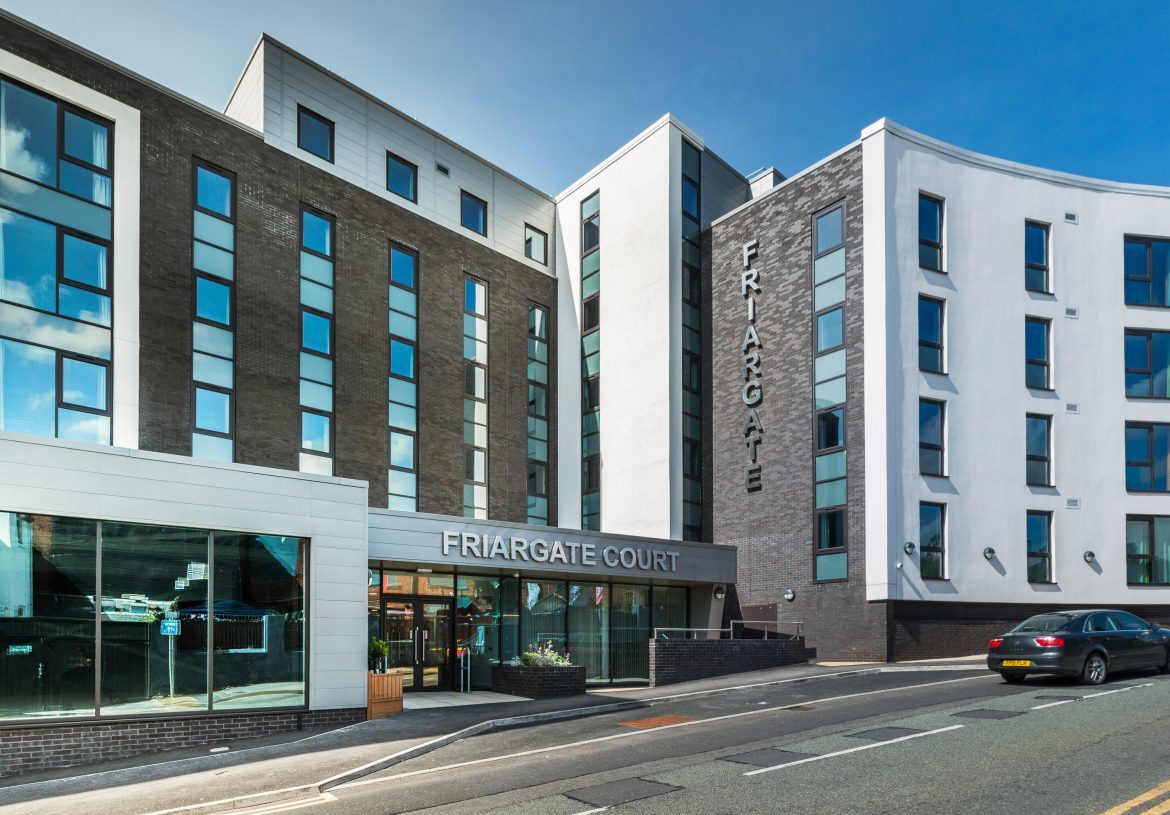
There are some signs of resilience in the market, with industrial property, prime office space in certain locations, and some alternative asset classes such as student housing, holding firm.
Rents for prime office space, industrial, later living facilities, multifamily residential, student housing, life sciences and data centres are expected to rise over the coming months, with retail space and secondary office stock expected to endure a fall in rental values.
Tenant demand fell in Q2, with the net balance -10%, down from -3% in Q1. Tenant demand for the industrial sector remains positive with a net reading of +10%.
Investment demand posted a net balance reading of -22% in Q2, marking a renewed decline in sentiment following the -14% reported in Q1.
Tarrant Parsons, senior economist at RICS, said: “The stubbornness of UK inflation over recent months has once again shifted the outlook for monetary policy, with further interest rate hikes from the Bank of England now priced-in across financial markets. This has, almost inevitably, impacted sentiment within the commercial property market, as higher borrowing costs weigh on investor demand and place renewed pressure on capital values.
“Meanwhile, occupier activity, although also losing some momentum in Q2, appears a little more resilient at present. As such, this is reflected in still positive rental growth expectations for the year ahead across the industrial sector, prime offices, and for several of the more alternative asset classes tracked in the survey.
“This week’s UK government announcement on loosening regulations surrounding the conversion of certain types of commercial property into residential use could encourage investment opportunities. If carried out to a suitable standard, these types of conversions have the potential to reduce the overhang of vacant retail space and provide much needed housing in central locations.
“However, while these measures could prove beneficial at the margins, given the scale of the challenges around housing supply and unused retail premises, they are unlikely (on their own) to be sufficient to fix the deeper market issues.”