Why has multigenerational living remained the preferred option in South Asian communities? And why is there such a taboo around later living housing options in these communities?
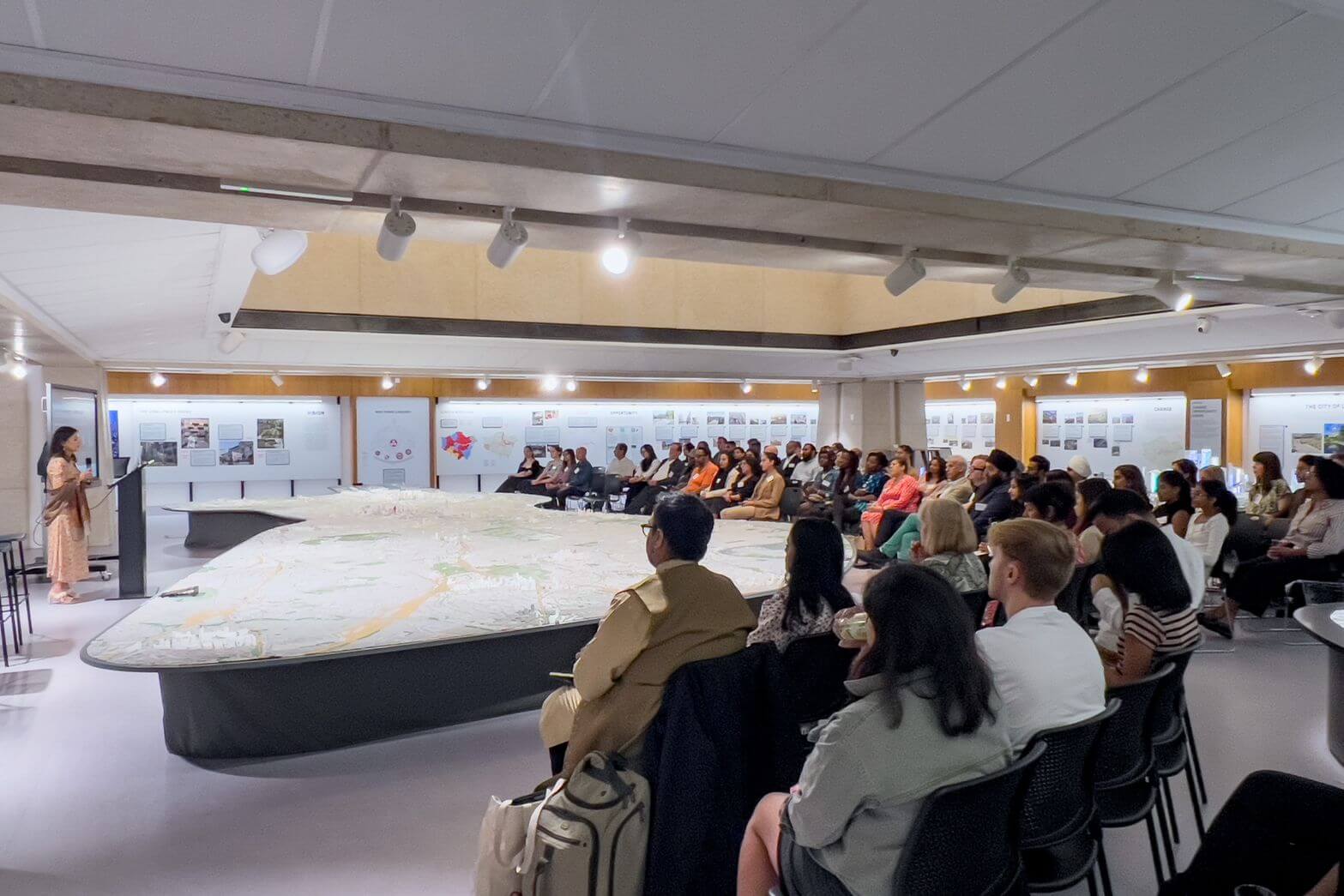
These were just two of the questions asked during a panel discussion with thought leaders at a BAME in Property and NLA event in London on Wednesday 19 July. The event was part of South Asian Heritage Month, which runs from 18 July to 17 August. Our panel included:
- Priya Aggarwal-Shah, founder and director of BAME in Property (chair)
- Vinesh Pomal, senior architect at Butcher Bayley Architects
- Tahera Rouf, project leader at RCKa
- Lucy Hales, head of co-housing at Housing 21
- Dipa Joshi, partner (residential lead) at Fletcher Priest Architects
In the UK, we have an ageing and increasingly ethnically diverse population. In some towns and cities, the South Asian population is in the majority, including in places like Leicester and Kirklees, and in London, areas like Harrow, Hounslow, Ealing and Brent.
However, current later living options are not always culturally appropriate, with fewer vegetarian or halal, etc, catering options, language barriers between residents and carers, and little to no, religious, and cultural amenities located near developments.
With limited later living options for the South Asian community, multigenerational living has remained the preferred option.
Although multigenerational living is more common in South Asian communities, the need for a broader range of later living options is becoming increasingly apparent thanks to new developments generally being smaller in size and younger generations assimilating to western cultures
The discussion explored the following themes:
Multigenerational living
There’s no secret that multigenerational living is the preferred option in many South Asian communities. Vinesh shared his experience of co-caring for his now late grandfather, a decision that was a no-brainer in his family, despite his deteriorating health. He explained how having his grandfather in the family home was not only an important part of Gujarati culture, but it was also essential to prevent loneliness and provide a sense of familiarity for him.
Tahera talked of the exchange of knowledge, skills and languages across generations within multigenerational families, sharing how her nieces and nephews have picked up the Bangla language through regular communication with their grandparents, who live with them. There was also the added benefit of grandparents helping with childcare, which is a necessity as much as it is a blessing. This can often determine where grandparents live, either within a multigenerational arrangement itself, or where they move to in the future, if considering a later living option.
Dipa also shared her experience of looking after her grandmother. When the council refused to provide a lift within her home to help with mobility challenges, Dipa used her architectural background to retrofit the home herself, providing a chair lift and extending the time her grandmother could remain in her own home. During this time, she had a Gujarati carer to provide home care in a familiar language and cook authentic Gujarati food, which was essential for her wellbeing.
She later moved to a care home for South Asian older people, meaning specific social and religious activities were planned around the residents’ needs.
Although Vinesh, Tahera and Dipa shared different experiences, there was a consensus that you ‘just don’t put your grandparents into a care home!’ With many enthusiastic nods in the audience, this was clearly a sentiment felt by many.
The importance of listening and co-designing with communities
Lucy talked about the development of co-housing, a concept by Housing21 in Birmingham, where homes are designed in conjunction with the local South Asian community for social rent. The consultation with the community flagged the need for independence and a community feeling, leading to the design of spaces such as gardens to be maintained by residents and communal cooking. This highlights the importance of engagement and design in creating spaces people can, and want to, live in.
Vinesh also talked about specific design features which are common within many South Asian homes, including a porch as you enter, to remove shoes and any other outdoor clothing, alongside a toilet and/or washbasin, to immediately wash hands. While these design features may seem specific to South Asian communities, they are clearly beneficial and usable by many others.
Location, location, location
While there is often this romanticised idea of where later living homes should be, usually in the suburbs or countryside, there was agreement amongst the panellists about the need for options within town centres. On the one hand, a central location is key to reducing feelings of loneliness and isolation and maintaining a link to community and culture (for example, proximity to a gurdwara, temple or mosque). On the other hand, it’s about remembering the spending power of this group, often referred to as “the grey pound”, and the impact members can have on the local economy, particularly if later living schemes are located in town centres.
Ensuring affordable options to reflect a diversity of wealth
Finally, we talked about the importance of planning policy to reflect the needs of those requiring affordable later living options and not just a luxury offer. There was an acknowledgement that many ethnic minority communities are outpriced from later living options for this very reason, forcing them into overcrowded homes, rather than enabling them to have a positive multigenerational experience.
The discussion continued well into the evening over networking, during which it was clear that we’d only scratched the surface of this topic. Over the coming months, we’ll be sharing more content about later living in ethnic minority communities, so look out for this on our social media channels.
Thanks to everyone who joined us and shared their experiences too.