
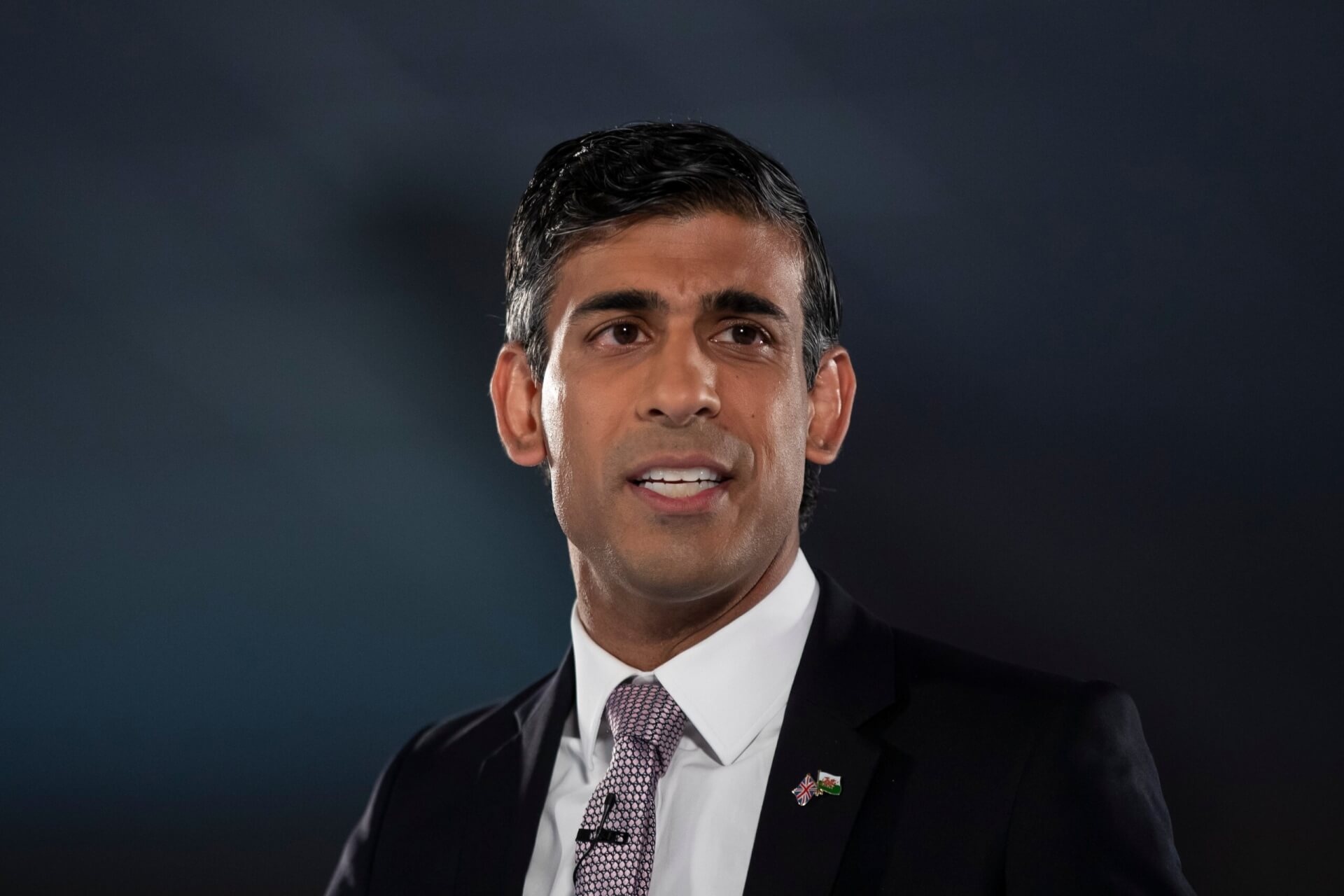
The built environment sector has called for greater clarity on the roadmap for decarbonising the UK’s buildings, following prime minister Rishi Sunak’s net zero speech yesterday.
During the speech, Sunak announced a watering down of the UK’s net zero policies, scrapping EPC targets on homes and pushing back the deadline for phasing out fossil fuel boilers from 2026 to 2035.
Although the prime minister claimed he still wanted to hit the government’s 2050 net zero carbon target he said: “If we continue down this path, we risk losing the consent of the British people and the resulting backlash will not just be against specific policies, but against the wider mission itself.”
He added: “We’ll now have a more pragmatic, proportionate, and realistic approach that eases the burdens on families.”
Senior figures from the built environment sector criticised Sunak’s revised plans claiming they would hinder progress in the industry.
Melanie Leech, chief executive of British Property Federation, said: “Today’s speech from the prime minister was deeply frustrating for the investors and property owners who have already made long term plans and financial commitments to ensure they can play their part in meeting the UK’s climate change commitments. The prime minister has said that the government remains committed to the 2050 net zero target but pushing back planned interim milestones is the opposite of what we need.
“While we understand the need for pragmatism to support households, businesses need certainty in order to invest. Changing the strategic goalposts will deter investment, make the task of meeting the 2050 target much harder and mean more inefficient older buildings are left ‘stranded’ with an economic drag on town and city centres.
“We urge government to provide and commit to a clear timetable for decarbonising the built environment to accelerate rather than hold back the pace of change.”
Matt Sal, UK sustainability manager at Colliers, added: “It’s hugely concerning to hear that the government is considering pushing back crucial deadlines which have been set in order to address the climate crisis. All research indicates we are accelerating the climate crisis rather than halting it. Any move in this direction would be irresponsible and catastrophic for our planet, our businesses, and our way of life.
“Within the built environment the deadlines for implementing energy efficiency improvements are already loose and vague, without the impetus of a firm deadline making material improvements to buildings and construction processes will wane and businesses will suffer, having already persevered through years of turmoil and uncertain markets.
“Too much effort has been made in recent years to address the climate crisis deniers instead of focussing on meaningful action. These back room discussions only serve political gain and unravel any progress made by industry, and risk setting us on a path of further delay before real action is implemented. Ultimately any delay in deadlines will negatively impact our operating environment and the wider UK market, as well as putting all our futures at extreme risk.”
Cara Imbrailo, partner at Charles Russell Speechlys, said: “Sunak’s announcements come as no surprise after Whitehall sources previously indicated plans to delay energy efficiency targets and overhaul what is required of landlords so as not to ‘overburden’ them with the costs of making a green switch.
“Whilst this news is likely to be welcomed by landlords, arguably it is only a temporary reprieve. The private rented sector accounts for 20% of the UK’s housing stock, which is thought to be responsible for 15% of UK greenhouse gas emissions. If the government is serious about reducing emissions and reaching net zero, improving the energy efficiency of the private rented sector is unavoidable and a question of ‘when, not if’.”
Mitakshi Sirsi, director of sustainability at WILL+Partners, said: “I’m disappointed that my work and the work of my colleagues who work in built environment sustainability is being trivialised and brought down to this. Systemic structural changes and policy support play a major role in supporting the low carbon transition at scale.
“It is clear from the granting of new oil licenses and now backtracking on net zero commitments that this government doesn’t have the best interests of future generations at heart. Mr Sunak has an opportunity to become a visionary. Instead, he’s wasting that opportunity by ignoring the answers that are right in front of him.
“The next set of commitments to get axed could be those around making buildings more adapted to the changing climate. People will continue to live in fuel poverty and deal with heat stress because of inefficient houses and buildings. What after that? Will we continue to burn expensive gas to heat our inefficient houses when cheap & renewable wind energy will be available right around the corner but with no way for individuals to access it? From where I’m sitting – that day doesn’t seem far away.”
David Craddock, founder of The VerdeGO Group, added: “It’s very disappointing and reminds me of the u-turn the UK government made in 2016 on removing the need to build Code 6 Level Homes. We are playing politics with our climate and falling short of our drive to decarbonise buildings. The promises committed at COP26 were not meant to be broken. Delaying the ban on gas boilers and removing the need for existing homes to be upgraded only increases the damage to our environment and jeopardises the UK’s chances to reach net zero by 2050.
“There is a real drive in the SME and national housebuilders to build low-carbon, energy efficient homes that the sector was really starting to get to grips with by delivering innovative building practices, modern methods of construction and renewable energy systems. To now delay them from doing so by giving them a five-year reprieve is all wrong and will stifle new companies who are bringing forward new energy saving products to meet this agenda.
“This could mean a loss of jobs and reduction in innovation in new sustainable technologies coming forward. As one of the greatest contributors to carbon emissions, as an industry we should be doing all that we can to minimise the impact of what we build and refurbish and not just give way when it looks hard.
“”Homeowners are already grappling with higher energy bills to heat their homes that is only going to worsen with our reliance on fossil fuels. We should be looking to accelerate our renewable technology across the UK and remove fuel poverty, not perpetuate it which is what today’s announcement does not only to our existing homes but also to new builds.”


