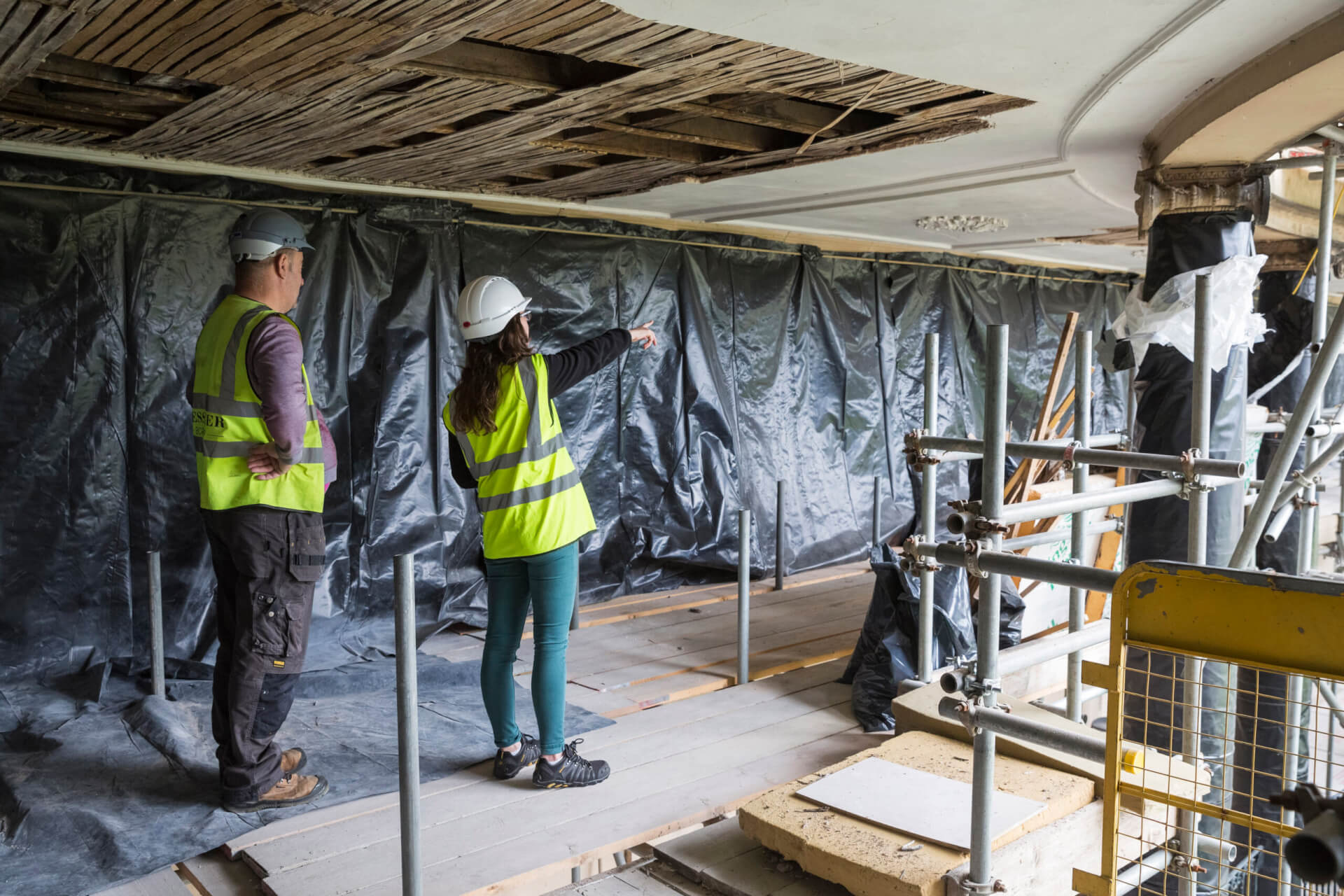
Retrofitting historic properties in the UK to improve their energy efficiency could reduce carbon emissions from these buildings by around 5% annually and generate £35bn of economic output, according to a new report commissioned by the National Trust, Peabody, Historic England, The Crown Estate and Grosvenor.
Off the back of the report the organisations have called for industry and government collaboration to ‘build a workforce capable of meeting the UK’s climate goals and safeguarding the UK’s historic buildings’.
The report suggests more than 105,000 new workers, including plumbers, electricians, carpenters and scaffolders, will be needed to work solely on decarbonising the UK’s historic buildings every year for the next three decades for the UK to meet its 2050 net zero target.
Historic buildings account for a significant proportion of the greenhouse gases emitted by buildings in the UK, with around 6.2 million homes and a third of all commercial buildings – around 600,000 – built before 1919.
Installing modern windows and energy efficient heating systems in these older buildings will lower their emissions and potentially prolong their lives, ensuring they don’t need to be knocked down and rebuilt.
Tor Burrows, Grosvenor’s executive director of sustainability and innovation, said: “As Chris Skidmore’s net zero review identified, we need to grasp the historic opportunity tackling climate change offers us. The Environmental Audit Committee has called for a national mobilisation on energy efficiency. We believe this captures the urgency of the task. The UK needs a long-term national retrofit strategy, led by the government, positively bringing together training, funding, and standards to sensitively decarbonise our historic buildings.
“Only then can we truly seize this opportunity to tackle a significant source of greenhouse emissions while protecting our much-loved built heritage. The construction industry, businesses and training providers need support to scale up. That’s why we’re asking the government to work with us on creating a national retrofit strategy that sets out a clear path for up-skilling the current workforce while bringing in a whole new generation.
“Much of this will need to take place at a local level, with employers, local authorities and civic society helping to develop area-based retrofit programmes and training initiatives.”
Lord Kerslake, chair of Peabody, said: “The benefits of prioritising our historic buildings are economic as well as environmental and social. They are an important source of prosperity and growth, with the heritage sector directly contributing £14.7bn to the economy in 2019. Making these buildings energy efficient will stimulate spending in the construction industry, support around 290,000 jobs in supply chains and boost heritage-related tourism and hospitality.
“And where needed, making older homes more energy efficient will transform the lives of the people who live and work in them, reducing household energy bills and improving health and wellbeing.”
Hilary McGrady, director general of the National Trust, added: “From Georgian town houses to the mills and factories that kick-started our industrial revolution, our historic buildings play a significant role in society, connecting people and places – one of the key pillars of the government’s Levelling Up strategy.
“The stewardship of our built heritage is in our hands, and we must ensure we prepare it for the challenges of climate change. It’s a significant task, but it’s one we can achieve through co-ordinated action. But that action must be taken now.”